Forestry Mulching & Land Clearing in Southeast Michigan
Reclaim Overgrown, Unusable Land and Turn It Into Usable Property
Licensed & Insured
Forestry mulching clears brush, saplings and small trees by grinding them into chips on the spot, with the roots left in the ground and no burning or hauling. Most residential lots take a day or two. The work is done in eight Southeast Michigan counties with a FECON forestry mulcher on a high-flow Bobcat T86 on rubber tracks, and every job gets one written project price.
How Forestry Mulching Works
A simple, efficient process that transforms your land in days, not weeks
Assess Your Property
We evaluate brush density, terrain, and access points
Mulching Begins
Our machines grind brush, saplings, and small trees into mulch
Finished Land
The area is cleared, walkable, mowable, and ready for immediate use
What Forestry Mulching Is
Forestry mulching clears land in one step. A single machine grinds brush, saplings and small trees into a layer of chips right where they stand, instead of cutting everything down, piling it up, and hauling or burning what is left. The roots stay in the ground, which is what sets the method apart from pushing a lot with a dozer: the soil stays in place, held by roots that keep growing under a chip layer, instead of being scraped and mounded into bare dirt.
There is nothing left to schedule once the machine moves on. No burn pile waiting on a calm, dry day. No trailer running back and forth to haul brush off the property. No stump field for a rental grinder to deal with later. The ground is walkable, mowable and ready for what comes next the same day the machine finishes, because the brush that used to stand there is now spread across the surface instead of stacked at the edge of the lot.
The Machine We Run
We run one machine on every forestry mulching job: a Bobcat T86 compact track loader, a high-flow tracked skid steer, carrying a FECON forestry mulcher. The mulcher spins a drum of cutting teeth that grinds brush, saplings and small trees into chips as the machine moves forward, and the tracks spread its weight out instead of concentrating it on tires the way a wheeled loader does.
That matters on the ground we actually work. A tracked machine has low ground pressure, which is what lets it cross a lawn without leaving ruts, fit through a standard gate or the gap between two mature trees, and hold its footing on a grade that would spin out a wheeled machine. Lake banks, creek slopes and hillside ground are walked and planned on site before the machine ever moves, so the route down and the route back out are both decided on ground that will actually carry it.
For open fields, pasture and fence lines where the growth is grass and light brush rather than saplings and trees, the same machine switches to a brush hog attachment: a faster, lighter pass for ground that does not need the forestry mulcher, priced into the same project instead of billed as a separate visit.
People searching for skid steer land clearing, or land clearing and mulching near me, usually mean exactly this setup: a compact tracked carrier that fits through a gate and crosses a lawn, a forestry mulcher that grinds the brush where it stands, and a brush hog attachment for the open ground. It is the machine for a backyard thicket and for a five-acre field edge alike, and the land clearing page shows how we choose between mulching and brush hogging on each piece of ground.
One licensed, insured operator runs the job start to finish, the same person who walked the property and wrote the quote.
What It Clears and What Is Left
The growth that brings people to forestry mulching in Southeast Michigan repeats from property to property.
What Gets Cleared
- Buckthorn, autumn olive, bush honeysuckle and multiflora rose
- Briars and wild grapevine
- Sumac, box elder and cottonwood thickets
- Cherry, sassafras and ash saplings
- Storm blowdown
- Old Christmas-tree plantings
- Fence-line brush
What Is Left
- A two- to four-inch chip layer over the ground it came from
- Every tree taped during the walk-through, worked around rather than guessed at
- No stumps left standing in the cleared area
- Ground you can walk, mow, seed, stake or build on the same day
Larger trees inside the work area are not a surprise decided in the field. They are pointed out and walked with you before the quote is written, and how each one is handled is planned on site and written into the same price.
Mulching vs. Other Ways to Clear Land
How the common methods compare, side by side, on the same kind of overgrown lot.
| Method | What Happens to the Brush | Ground Disturbance | What You Are Left With | Best For |
|---|---|---|---|---|
| Forestry Mulching | Ground into chips on the spot | Minimal; roots stay in the ground | A chip layer over intact soil, ready to use the same day | Brush, saplings and small trees, on ground a tracked machine can reach |
| Dozer or Excavator | Pushed into piles | Heavy; topsoil is scraped and moved | Bare, graded dirt and a brush pile still to deal with | Full-site grading ahead of construction |
| Tree Crew with Chipper | Cut, dragged and run through a chipper | Light on the ground itself, heavier where equipment stages | An open lot and a load of chips hauled off-site | Larger individual trees and tight lots reached on foot |
| Brush Hog Alone | Cut and left on the surface | Light | Cut stems and grass; saplings often left rooted | Grass, weeds and light brush on already-open ground |
| By Hand | Cut and stacked or hauled | Minimal | Whatever the crew can carry out, one load at a time | A handful of stems in a small area |
Deciding between the methods? Our mulching vs brush hogging guide and mulching vs excavator clearing guide walk through it, and the guide to the chip layer covers what mulching leaves behind.
How Long It Takes
Most residential lots in Southeast Michigan are a one- or two-day job. A quarter-acre backyard with a fence line to open up is often finished well within a single day; a few wooded acres with dense saplings and several keeper trees to work around usually takes two.
A few things move that number. Density is the biggest one, since a field of scattered autumn olive clears faster than a solid wall of buckthorn and grapevine. Stem count matters as much as acreage, because a thicket of thin saplings can take longer to grind than fewer, larger trees spread further apart. Wet ground slows the pass, since low spots and clay corners are often worked on frozen ground or in a dry stretch of summer instead of whenever it is convenient. Keeper trees add time too, since working carefully around a tree that is taped to stay takes longer than grinding straight through.
Larger sites, whole parcels, subdivision common ground, or hunting land with trails, lanes and a plot all in the same visit, are phased: the first pass covers the priority ground, and the rest is scheduled in sections so the job stays predictable instead of open-ended.
The Best Time of Year
Forestry mulching works in every season, but the calendar changes what a given piece of ground is best suited for.
Frozen ground is the season for wet lots and lake banks. Once the soil locks up, the tracked machine crosses low corners, ditch banks and creek edges that would otherwise hold water and rut under any equipment. Leaf-off, once the leaves are down, is when a property is easiest to see, with property lines, fence rows and the trees worth keeping all standing out clearly against a bare canopy. August through October is when hunting land gets cleared, so trails, lanes and plots are settled and quiet well before the season opens. A lot headed for a spring build is best cleared in late winter, so it is staked, graded and ready the moment the ground firms up.
Our guide to fall and winter land clearing goes through the frozen-ground and leaf-off seasons in more detail, including which jobs actually get easier once the temperature drops.
How It Is Priced
Every forestry mulching job is priced the same way: as one project, built from photos or a walk-through, not an hourly rate, a daily rate, or a flat rate per acre. The number accounts for how dense the growth is, how many stems are packed into it, the terrain, how the machine gets in and out, and the drive from Royal Oak. Travel is built into that number, not added afterward, so the price quoted is the price for the whole job.
Two five-acre parcels are rarely the same job. One might be scattered brush a brush hog handles in an afternoon; the other, a wall of buckthorn that takes a mulcher two full days. Our pricing guide goes through what actually moves the number, so you know what you are looking at before you ask for a quote.
Calls are answered 8 AM to 8 PM, seven days a week, and every form and text gets a reply within one business day.
Where We Do This Work
Forestry mulching services are the job we run most, in every county we cover out of Royal Oak. Looking for forestry mulching near me? Pick your county below.
Find your county for the local ground, the jobs that come up most, and the townships covered in it, or see every township on the service areas page.
In Lapeer County the job comes up most on two kinds of ground: forestry mulching in Almont, where woodlot edges creep into hay fields, and forestry mulching near Hadley, on the hills and hunting parcels beside the recreation land.
Jobs That Start With Forestry Mulching
Forestry mulching is rarely the whole project. It is usually the first pass that makes the rest of the job possible.
Why Choose Forestry Mulching?
The smart, sustainable way to reclaim your land
Environmentally Friendly
Mulch decomposes naturally, prevents erosion, and protects soil health
Cost-Effective
No hauling or dump fees; everything is mulched in place
Instant Transformation
Most residential jobs take a day or two
Increases Property Value
Clears space for trails, pasture, building sites, or aesthetics
Stops Invasive Species
Eliminates honeysuckle, briars, and woody overgrowth
Professional-Grade Results
Your land is left clean, level, and ready for immediate use, without debris piles, leftover stumps, or unfinished areas.
Curious what this service costs on your land? Send a few photos through the quote form for a price based on acreage, brush density, and terrain.
Related Services
Explore our other professional land clearing services in Metro Detroit, Michigan
Site Preparation
Lots and parcels cleared to a chip layer, ready for the excavator
Learn more →Trail Cutting
Professional trail creation and maintenance for hunting, hiking, and ATV access
Learn more →Fence Line Clearing
Precise property boundary clearing to protect fencing and improve visibility
Learn more →Invasive Growth Removal
Eliminate honeysuckle and invasive species at the root level
Learn more →Brush Hogging
Heavy-duty field and pasture clearing for large open areas
Learn more →Brush Clearing & Brush Removal
Clear dense brush, saplings, and undergrowth efficiently
Learn more →Commercial Land Clearing
Scalable solutions for commercial development and municipal projects
Learn more →Frequently Asked Questions
Everything you need to know about forestry mulching
What the Work Looks Like
Brush, saplings and small trees ground into a chip layer where they stand, one pass, no piles.

A tracked mulcher working through dense growth: brush and saplings ground to chips in a single pass.

The finished ground: a two- to four-inch chip layer over intact roots, ready to walk, mow or build on.

Equipment working a field edge at the end of the day.
Related Guides
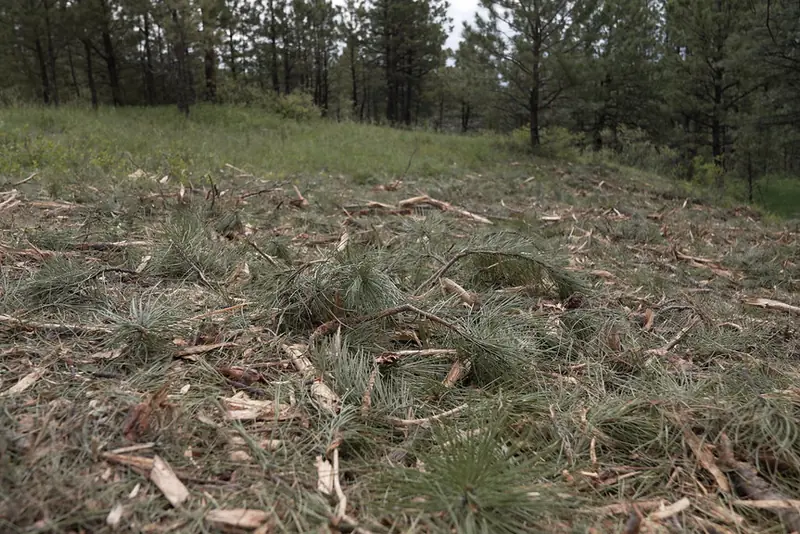
Stumps After Forestry Mulching: What Is Left, What to Do
A forestry mulcher grinds stems and stumps to the ground and leaves the roots. What that means for a lawn, a pad, a pasture or a food plot, how long roots take to rot, and which trees try to come back.
Read the guide →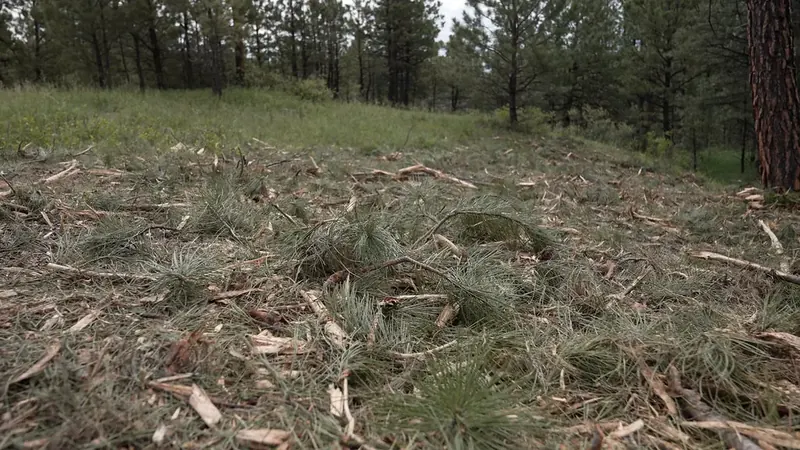
Forestry Mulch vs Wood Chips vs Bark Mulch: What Is What
Three materials share the word mulch and do three different jobs. Forestry mulch is the whole plant ground where it stood; arborist chips are limbs through a chipper; bark mulch is bagged bark. What each is made of, where each belongs, whether chips rob nitrogen, how long each lasts, and seven uses for the chips a clearing leaves behind.
Read the guide →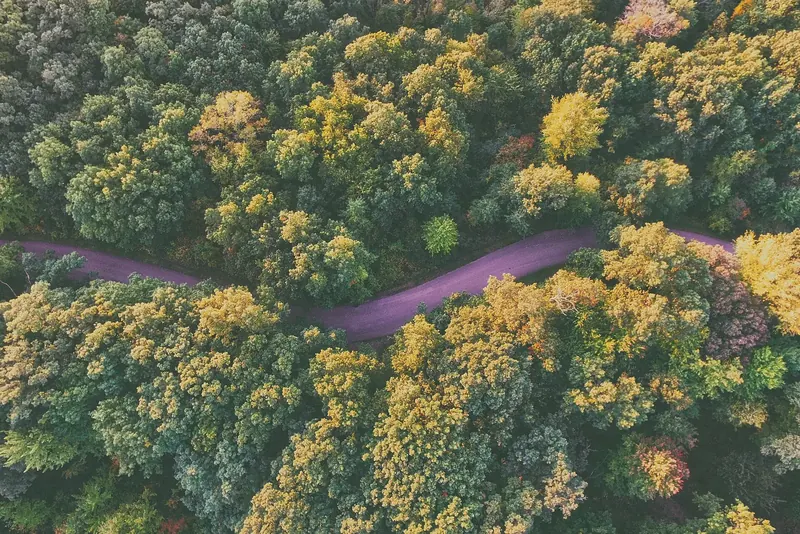
Best Time to Clear Land in Michigan: A 12-Month Calendar
Frozen ground, leaf-off, the spring thaw, the months each invasive is easiest to find and cut, when oaks are best left alone, when food plots go in. A 12-month table for Southeast Michigan land, by job type and by species.
Read the guide →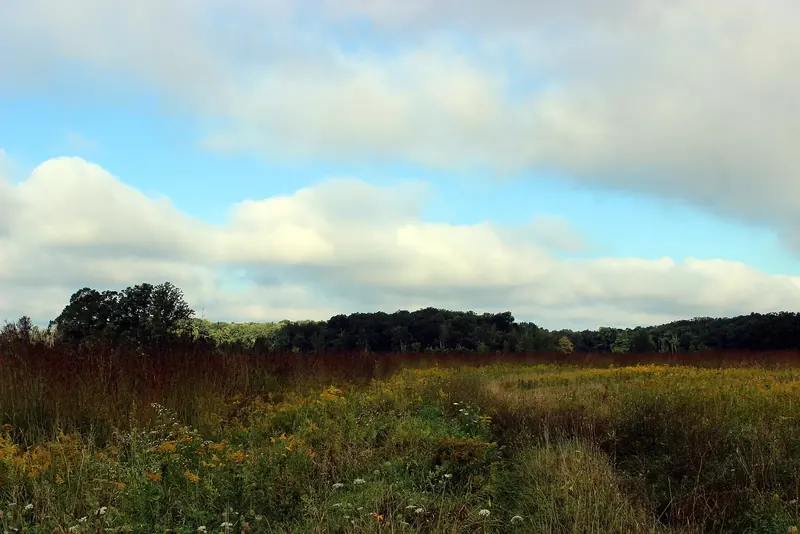
Overgrown Fence Line in Michigan: How Wide to Clear, When
How wide to open an overgrown fence line and when: corridor widths in feet, a length-to-acres table, the species that fill a Michigan fence row, and what grows back.
Read the guide →What Sets the Price of Fence Line Clearing in Michigan
No dollar figures, just the nine things that move a fence line clearing price, how a flat project price is built from them, and why a quote has to state its unit.
Read the guide →Forestry Mulching in Southeast Michigan: How It Works, What It Costs, and What to Expect (2026)
Forestry mulching explained for Southeast Michigan: how it works, what drives the price, when it is the right method, and what the land looks like after.
Read the guide →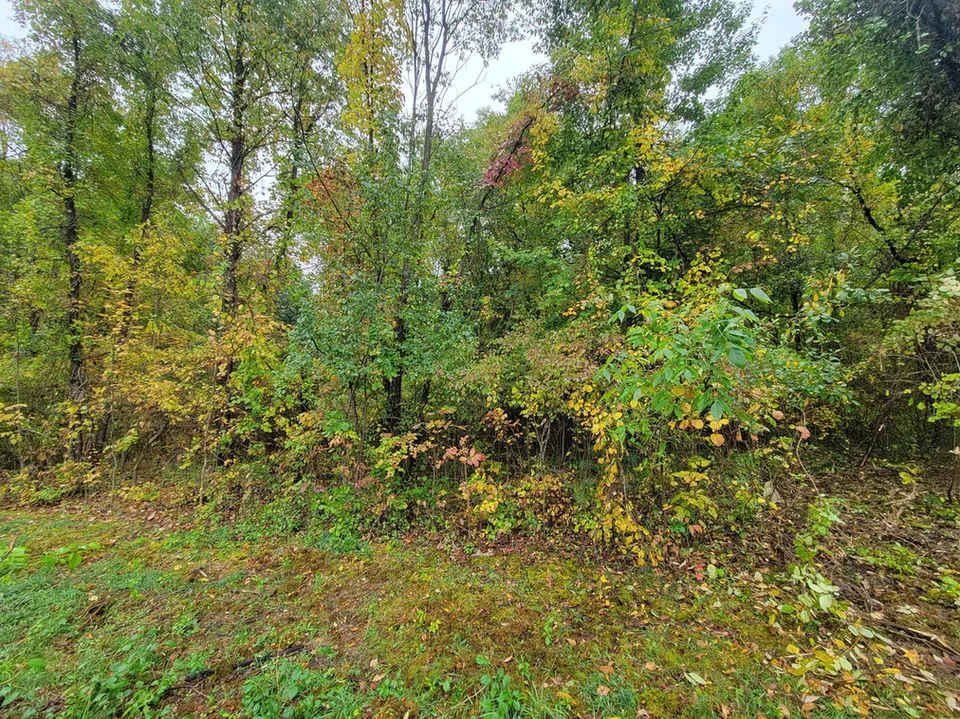
How Forestry Mulching Is Priced in Southeast Michigan: What Drives Your Quote (and Why There Is No Per-Acre Rate)
What drives a forestry mulching quote in Southeast Michigan: acreage, density, terrain, access and finish.
Read the guide →What Happens After Forestry Mulching? Timeline, Mulch Breakdown, and Grass Regrowth, Month by Month
What happens after forestry mulching: how fast the mulch breaks down, when grass comes back, and how to manage regrowth on cleared Michigan land.
Read the guide →Ready to Take Back Your Land?
Our team is standing by to assess your property and provide a fixed-price quote.