
Fence Line Clearing & Fence Row Clearing in Michigan
Overgrown fence lines, farm fence rows and property lines opened back up to the wire, by one tracked machine based in Royal Oak.
Licensed & Insured
Overgrown Fence Line? This Is What Clearing It Looks Like
An overgrown fence line is a strip of ground that has quietly turned into woods. Box elder, mulberry, wild grape, honeysuckle, autumn olive and multiflora rose come up along the wire where the mower never reaches, and inside ten years the fence is a line of brush with posts somewhere in it. Clearing a fence line means grinding that strip back to the wire, flush with the ground, so the fence can be seen, reached and repaired, and so the mower can run along it again.
We do fence line clearing, fence row clearing and property line clearing across eight Southeast Michigan counties with one high-flow tracked skid steer carrying a FECON forestry mulcher, plus a brush hog attachment for the grass and light brush on either side. The brush is ground where it stands into a chip strip; nothing is piled, burned or hauled. If you searched for fence line clearing near me from Oakland, Lapeer, Livingston, Macomb, St. Clair, Washtenaw, Wayne or Genesee County, this is the page, and our guide to clearing an overgrown fence line covers how wide to open a line, when to do it and what grows back.
One Machine, One Flat Price, Based in Royal Oak
Gibson Environmental Services is owner-operated out of Royal Oak: the person who walks your fence line is the one who runs the machine. Licensed and insured, OSHA-trained.
Every fence line gets one flat project price with travel and terrain included, quoted after a walk or from your photos. Calls are answered 8 AM to 8 PM seven days a week, and form and text replies come back within one business day.
How Fence Line Clearing Works
Three steps from a photo of the line to a chip strip you can mow.
Walk the line or send photos
You flag the line: the survey stakes, the old posts, the trees you want kept. We note the growth, the stem sizes, where the wire runs and how the machine reaches each end.
Grind the strip to the wire
The forestry mulcher takes the saplings, vines and brush down flush with the ground and shreds them into chips where they stood. The brush hog attachment mows the grass and light brush along the open side so the whole strip comes out even.
A chip strip you can walk and mow
The roots stay in the ground to rot, the chips lie a few inches deep along the line, and the fence stands clear from end to end. A mower keeps it that way, and a fence crew can set posts on it the same week.
Fence Clearing for Every Kind of Line
The same machine and the same flat-price quote, matched to what the line is for.
Clearing a fence line for a new fence
Having a fence installed or replaced? The installer needs the line open before posts go in: a strip wide enough for the post driver or auger, room to stretch wire or set panels, and a mowable edge on both sides afterward. We clear it to the width your fence contractor asks for, grind the stumps flush so the auger runs clean, and leave the line walkable so the crew can set posts the same week. Clearing comes first, then the fence crew, then the first mowing; our guide to clearing for a new fence walks through the order of work with the installer.
An overgrown fence line on an existing fence
The common call: a wire or board fence that has disappeared into brush and vines. We grind the growth on your side flush with the ground, keep the forestry mulcher off the wire and the posts you flag, and the vines come off the fence as the brush around them comes down. What is left is a clear strip you can walk, a fence you can see every section of, and a plain answer about which sections need repair.
Property line clearing and shared lines
A property line that has grown shut makes it hard to see where your ground ends and awkward to talk about with the neighbor. We clear to the stakes or the flags you set, open the sight line along the whole run, and leave both edges neat where the brush came from both sides. If the neighbor wants their side done in the same visit, one trip and one price covers the whole corridor.
Fence row clearing: hedgerows and field edges
On farm ground the fence row is the band of trees and brush between two fields, and it has had decades to spread. We grind it back to the line, roots left in the ground, and finish with a chip strip the planter or the mower can run to, timed after hay or after harvest. The fence row block below has the arithmetic, and the Lapeer County pages for Almont and Imlay City show the ground.
Horse and pasture fence lines
Pasture fence lines go to autumn olive, multiflora rose and hawthorn when the grazing pressure drops, and a horse fence buried in brush is a fence nobody can check. We open the line for new board or wire, or clear the brush off the existing fence, schedule around turnout so the horses stay in the far paddock, and mow the pasture edge with the brush hog attachment in the same visit. The pasture fence line guide covers species, livestock and seasons, and pasture reclamation covers the field side of that work.
Wooded lines and survey lines
A line through the woods is cleared as a corridor: the saplings and understory come out along the stakes, the trees you flag stay, and the finished strip is a walkable lane the surveyor, the fence crew or you can follow end to end. Leaf-off months are the best time, because the stakes and the old posts are easy to find. Forestry mulching explains what the machine takes and what it leaves.
Why Clear a Fence Line With a Forestry Mulcher
What the method does for a fence line, compared with cutting, stacking and hauling.
Nothing to pile, burn or haul
Brush, saplings and vines are ground into chips where they stood. There is no pile at the end of the line and no trailer in the field.
Flush with the ground
Stumps are ground to grade along the strip, so a mower can run it the next day and a post auger goes in clean.
The fence stays
The forestry mulcher works to the wire and the posts you flag; the brush comes off the fence instead of the fence coming out with the brush.
A chip strip that holds the ground
The chips lie over the roots, hold the soil on a ditch bank or a slope, and slow the first season of regrowth while grass comes back through.
Both sides of the job in one trip
The brush hog attachment rides on the same tracked machine, so the grass and light brush along the line are mowed in the same visit as the heavy row.
Fast on a long line
A quarter mile of grown-in row is usually a one-day job, and light brush along an existing fence goes faster. You get the schedule with the price.
What does fence line clearing cost? One flat project price for the whole line, with travel and terrain already in it, quoted after a walk or from your photos. Send the length of the line, how wide it has grown and a picture or two, and you have a number before any machine moves. Our guide to what sets the price of fence line clearing explains the nine things that move it.
Fence Rows Between Fields
The farm version of the job: a row that has spread into a band of trees, ground back to the line and left as a chip strip. Owner-operated out of Royal Oak, one flat project price with travel included, licensed and insured, OSHA-trained.
How a fence row adds up in acres
A row is measured by its length and the width it has spread to, and the machine time comes out in acres. A quarter mile of row, 1,320 feet, that has grown thirty feet wide is about an acre; at forty feet wide it is about an acre and a quarter; a full mile of thirty-foot row is about three and a half acres. Heavy box elder, mulberry and grapevine run about an acre a day, and light brush goes faster. Send the length, the width and a photo or two, and you get one price for the whole row with the drive already in it. See how it runs on farm ground in Almont and Imlay City.
Clearing before a new fence goes in
A fence crew wants a strip wide enough to set posts, stretch wire and run a mower along both sides afterward, with the roots ground flush so the post auger runs clean. We clear the strip to the width your installer asks for, keep the mulcher clear of the old wire and posts you flag, grind everything else into a chip strip, and leave the line walkable from end to end. The fencing crew can set posts on the cleared line the same week; pasture reclamation covers the paddock side of the same job.
Frequently Asked Questions
Fence line clearing, fence row clearing and property line clearing, answered plainly.
Where We Do This Work
Forestry mulching, brush hogging and lot clearing across eight Southeast Michigan counties from our base in Royal Oak. Every county page lists the townships we work in most, with a page for each.
Farm fence rows in Lapeer County: see fence row clearing in Almont and Imlay City, where the rows between fields are the steady work.
What the Work Looks Like
Brush, vines, and saplings cleared along fence rows so fences can be reached and repaired.

Brush and saplings ground flush along a line, roots left in place to break down.
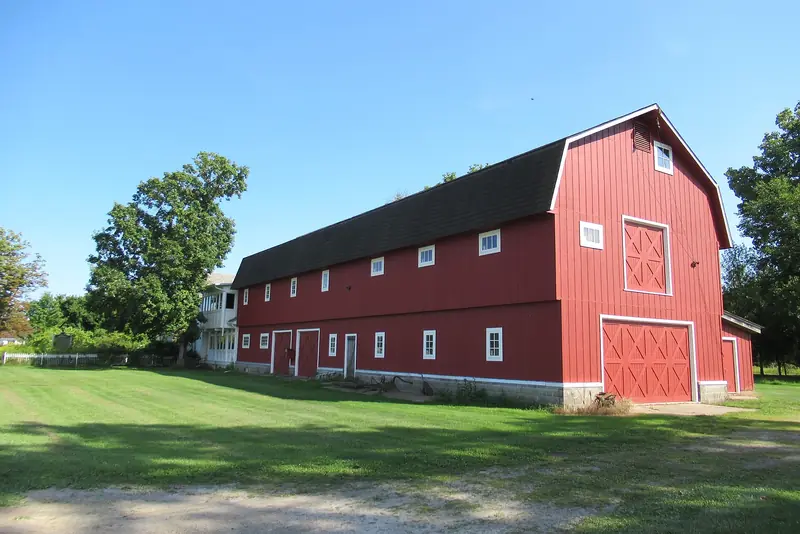
Farm ground where overgrown fence lines get opened back up so fences can be reached and repaired.

The finished surface after clearing: no brush pile left behind.
Related Guides

Invasive Vines in Michigan: Field Guide and How to Clear
The vine with the red berries pulling your fence down, the one strangling the maple, the grape look-alike with the blue and purple fruit. A field guide to the invasive vines of Southeast Michigan, three look-alike pairs, and how a vine-choked tree line or fence row gets cleared.
Read the guide →
Poison Ivy Vines on Trees and in Winter: Michigan Guide
In winter the leaves of three are gone and the vine is still there: a furry rope of hairlike roots up the trunk, white berries, and oil that is as active in January as in July. How to tell it from Virginia creeper and grape, how the oil gets on you from firewood, gear and smoke, and how a woodlot full of it gets cleared.
Read the guide →
Poison Hemlock, Wild Parsnip and Giant Hogweed in Michigan
Purple-spotted stems and white umbels, yellow umbels in a ditch, a fifteen-foot plant with leaves as wide as a door. How to tell poison hemlock, wild parsnip and giant hogweed from their harmless look-alikes, what the sap does to skin, the mowing window that works, and how we clear a stand from a closed cab.
Read the guide →Overgrown Fence Line in Michigan: How Wide to Clear, When
How wide to open an overgrown fence line and when: corridor widths in feet, a length-to-acres table, the species that fill a Michigan fence row, and what grows back.
Read the guide →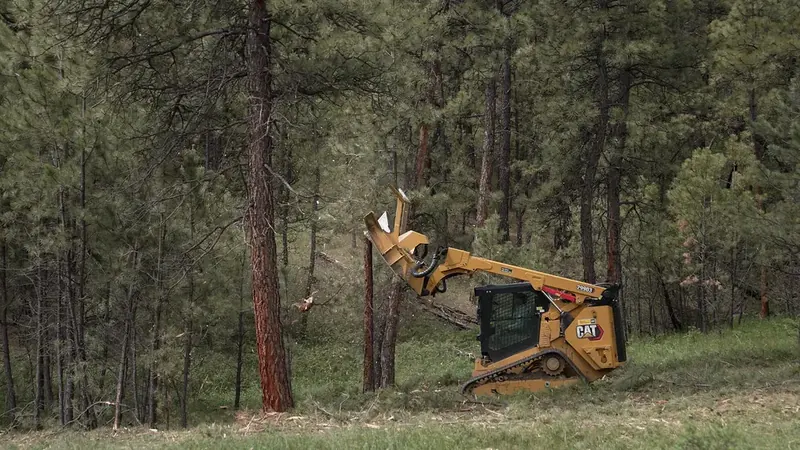
Clearing for a New Fence in Michigan: Order of Work
The order of work when a fence is going in: who marks the line, how wide the crew needs it, what to leave standing, old wire and stones, and when to schedule the clearing.
Read the guide →
Pasture Fence Line Clearing in Michigan: Horse & Farm
Pasture and horse fence lines: which shrubs and vines take them, how the work goes around turnout and livestock, old wire and posts, regrowth control, and the season for each line.
Read the guide →
The 10 Worst Invasive Plants in Michigan (and How to Actually Get Rid of Them)
Michigan's 10 worst invasive plants, how to tell them apart, and what it takes to clear buckthorn, honeysuckle, autumn olive and phragmites for good.
Read the guide →
Hunting Trail Clearing in Michigan: Access Trails, Shooting Lanes, and Stand Approaches Before Deer Season
Hunting trail and shooting lane clearing in Southeast Michigan. Quiet trails mulched in place, no burn pile, done before the October 1 bow opener.
Read the guide →
How to Clear Your Land in Michigan: The Complete Homeowner's Guide
Searching "clear my land"? Forestry mulching, brush hogging, tree services and dozers compared for Southeast Michigan lots, and how to pick the right one.
Read the guide →Ready to Open Up Your Fence Line?
Send the length of the line, how wide it has grown and a photo or two, and you get one flat project price for the whole fence line, travel included.