Land Clearing in Southeast Michigan
Overgrown brush, saplings and small trees cleared from your land by mulching or brush hogging, with one written price for the job.
Licensed & Insured
Land clearing is the work of taking ground that has grown over and making it usable again. Brush, thickets, vines, saplings and small trees close in on a field, a fence row, a hunting tract or a building lot, until nobody can walk, mow, graze or build on it. The people who call us for land clearing are homeowners with a few acres, farm and pasture owners, hunters, builders and lot owners, and managers of commercial and community property.
Land clearing is the job, and there are three ways we do it: forestry mulching, brush hogging, and lot and site clearing. We choose by what is growing and what the ground is for. One machine covers all three, a high-flow tracked skid steer, a Bobcat T86 on rubber tracks, carrying a FECON forestry mulcher for brush and trees and a rotary cutter for grass and light brush. Thick woody growth is forestry mulched, open fields are brush hogged, and a building lot gets both inside lines we agree on with you. Not sure which fits your land? The guide to clearing your land walks through the choices.
We work in eight counties from a base in Royal Oak: Oakland, Macomb, Wayne, Livingston, Lapeer, St. Clair, Washtenaw and Genesee. Every land clearing job gets one written project price, travel included, built from photos or a walk-through, and the service areas page shows the ground we cover in each county. Send a few photos through the quote form, or call. Calls are answered 8 AM to 8 PM, seven days a week, and every form and text gets a reply within one business day.
What we clear
- Buckthorn, autumn olive, honeysuckle and multiflora rose thickets
- Briars, wild grapevine and brush grown into fence lines and field edges
- Saplings and trees up to roughly 6-8 inches at the stem, with larger trees taken in pieces
- Grass, weeds, brush and saplings up to about 3 inches across open fields and pasture
- Overgrown lots, building sites and driveway lines
- Storm blowdown, old tree plantings, trails and lanes on hunting ground
What you get
- Ground you can walk, mow, graze, seed or build on when the machine leaves
- Where mulching is the method, a chip layer typically 2-4 inches deep over the ground it came from
- Every tree you want kept taped during the walk-through and worked around
- One written project price with travel included, and one operator from the walk-through to the finish
Three Ways We Clear Land
One machine does all three, so the method follows the growth and the plan for the ground.
Forestry Mulching
Forestry mulching grinds brush and trees up to roughly 6-8 inches at the stem in place, and takes larger trees in pieces. It leaves a chip layer, typically 2-4 inches deep, over roots that stay in the ground. Choose it for thick brush, thickets, saplings and woods, where the ground has to be firm and walkable when we finish. Forestry mulching →
Brush Hogging
The rotary cutter mows grass, weeds, brush and saplings up to about 3 inches. It leaves the cut growth lying on open, even ground, and it covers acreage quickly. Choose it for fields, pasture and fence rows that are mostly grass and light brush, and for keeping cleared ground open season after season. Brush hogging →
Lot and Home Site Clearing
Forestry mulching clears the house footprint, the driveway line, the septic area and the yard inside lines we agree on during a walk-through. The lot is left with a chip layer a surveyor can stake and an excavator can dig through. Choose it when a lot has to be ready for the next trade. The guide to clearing a lot for a new house covers what to clear and what to keep. Lot and home site clearing →
The Three Methods, Side by Side
| Method | What it takes | What it leaves | Best for |
|---|---|---|---|
| Forestry mulching | Brush and trees up to roughly 6-8 inches at the stem; larger trees in pieces | A chip layer, typically 2-4 inches deep, over intact roots | Thickets, saplings, woods |
| Brush hogging | Grass, weeds, brush and saplings up to about 3 inches | Cut growth on the surface of open ground | Fields, pasture, fence rows, yearly upkeep |
| Lot and site clearing | Everything inside the agreed lines, keeper trees left standing | Walkable, stakeable ground under a chip layer | House sites, driveways, septic areas |
Still choosing a method? The mulching vs brush hogging guide and the mulching vs excavator clearing guide lay out what each one does on the ground.
The Land We Get Called to Clear
These are the kinds of ground that bring most of our land clearing calls, and each one has its own page.
Fields and Pasture
Fields that have gone to brush, thistle and saplings get cut back to open ground. Brush hogging does most of the work, and forestry mulching takes any thickets and tree rows in the same visit. The result is ground you can mow, graze or hay again. Pasture reclamation →
Fence Lines and Property Lines
Brush, vines and saplings grow into fence rows and across boundaries until the line is hard to find. We cut back along the fence and the boundary so it can be seen and walked. Fence line clearing →
Hunting Ground and Trails
Hunting land needs open trails, shooting lanes, plots and access, with the cover you want left standing around them. We cut to the lines you mark, usually ahead of the season. Hunting land clearing →
Ground Lost to Invasive Brush
Buckthorn, autumn olive and honeysuckle take over a woodlot or a field edge. Forestry mulching grinds the stems down and opens the ground, and a later brush hogging pass keeps it open. Invasive growth removal →
Commercial and Community Property
Business sites, retention pond edges and common ground are cleared on a schedule set around the property. Larger sites are done in sections, and one written price covers the whole plan. Commercial land clearing →
Vacant and Overgrown Lots
A vacant lot that has filled with brush and saplings is opened back up to clean, walkable ground. It suits an owner getting ready to build, to sell, or to finally keep the lot tidy. Vacant lot cleanup →
How a Land Clearing Job Goes
Send photos or ask for a walk-through
Send a few photos of the land through the quote form, or we walk it with you. We look at how thick the growth is, how the ground lies and how the machine gets in.
Agree on the lines and the keepers
We tape the trees that stay, agree on what gets cleared, and pick the method that fits each stretch of ground.
Get one written price
You receive one written project price for the whole job, travel included, before any work starts.
We clear it
The machine works through the land with the method chosen for each part, and you are left with ground you can walk, mow or build on.
When to clear
Land clearing works through the whole year in Michigan, and the season changes what suits a given piece of ground. Frozen ground carries the tracked machine across low spots and creek edges that stay soft the rest of the year. Once the leaves are down, fence rows, boundaries and the trees worth keeping stand out clearly. Open fields are cut when the ground is dry, hunting land is finished well ahead of the season, and a lot headed for a spring build does well when it is cleared in late winter.
How land clearing is priced
Land clearing is priced as one written project price, built from photos or a walk-through. What moves it is the acreage, how thick the growth is, the terrain, how the machine gets in, and the drive from Royal Oak, with travel included in the number. Two parcels of the same size are rarely the same job. The pricing guide explains what moves the number.
What the Work Looks Like
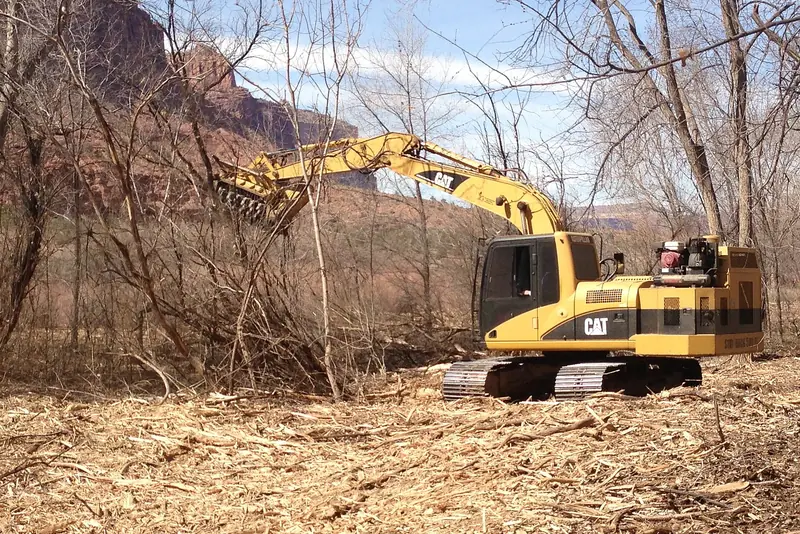
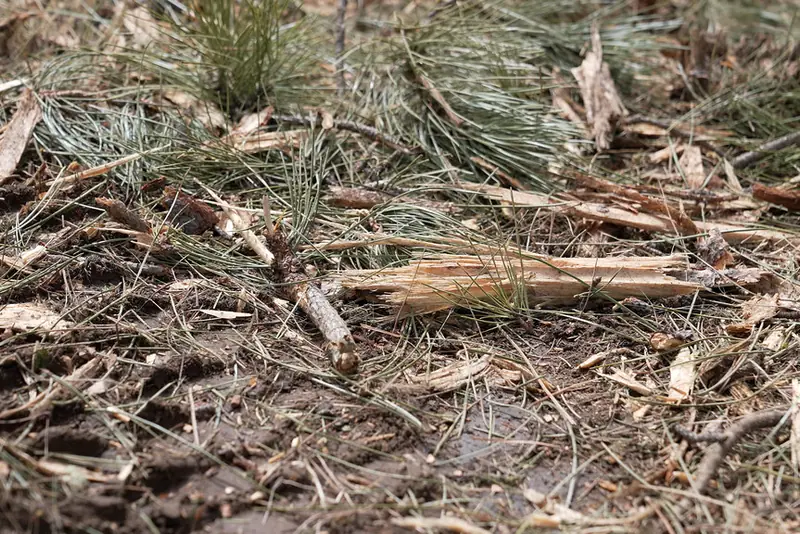
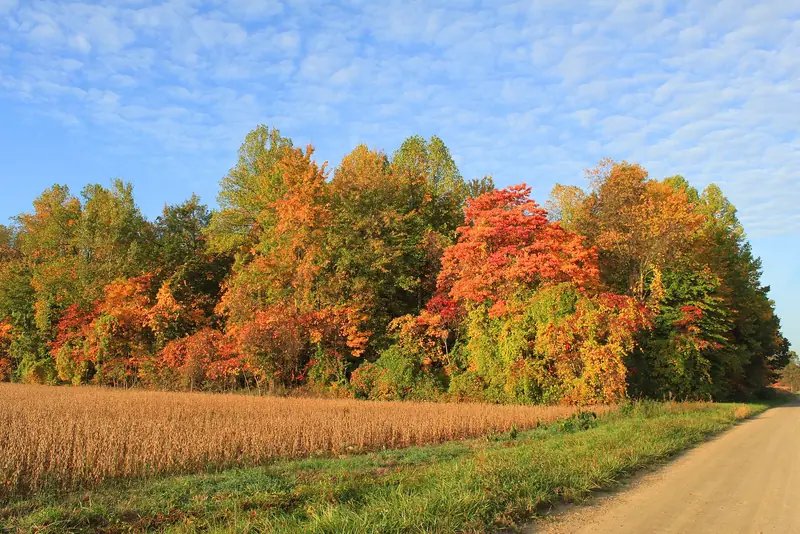
The machine at work, the chip layer it leaves, and the kind of Michigan ground that gets called for land clearing.
Land Clearing by County
Each county page covers the ground there, the jobs that come up most and the townships we work in.
Land Clearing Questions
What is the difference between land clearing and forestry mulching?
Land clearing is the job: taking overgrown ground back to something you can use. Forestry mulching is one way we do it, and brush hogging is another, so the method follows what is growing on your land. Many properties use both in one visit.
How is land clearing priced?
You get one written project price, built from photos or a walk-through. It reflects the acreage, how dense the growth is, the terrain and the drive from Royal Oak, and travel is included.
What happens to the stumps?
In the cleared area, brush, saplings and small trees are ground flush with the ground, and the roots stay in the soil to break down. Larger trees are planned with you on site, and how each one is handled goes into the same written price.
How long does a land clearing job take?
Most residential jobs take a day or two. Density, terrain and the number of trees to work around move that, and larger parcels are cleared in sections so the schedule stays predictable.
Can you clear around trees I want to keep?
Yes. We tape the trees that stay during the walk-through and work around them, so nothing is guessed at in the field. The brush underneath is cleared so each tree stands in open, walkable ground.
What is the best time of year for land clearing?
Any season works in Michigan, so the right time is usually ahead of when you need the ground. Winter frost suits wet land, leaf-off shows boundaries clearly, and a lot for a spring build is cleared in late winter.
Ready to Clear Your Land?
Send a few photos or ask for a walk-through, and you get one written project price for the land clearing, travel included.