Every subdivision in Macomb Township, Washington Township, Brighton and Novi has ground nobody mows: the retention pond and its banks, the buffer strip along the road, the outlot behind the last cul-de-sac, the woods between two phases. Ten years after the developer left, that ground is buckthorn, Callery pear and honeysuckle, the pond outlet is hidden, and the board is getting emails about it.
We clear common ground for associations as one project: every outlot, bank and strip on the plat, walked with the board or the property manager, priced as a single number, and cleared to a mulch layer that the landscaping contractor can mow from then on. The machine is on tracks, there is no brush pile in anyone's view, and nothing is hauled through the neighborhood. Pond banks are worked from the top on stable ground, and the chip layer stays on the slope and holds it.
Phragmites and cattail around the pond, willow in the outfall, and the thicket along the back fences are all the same job for the mulcher. Wet banks are scheduled for frozen ground so nothing is rutted. See commercial land clearing for the larger-site version of this work.
What we clear
- Retention and detention pond banks, outlets and the strip around the water.
- Outlots and buffer strips along roads and between phases.
- Wooded common ground behind the lots, opened up so it can be walked.
- Sightlines at subdivision entrances and intersections.
- Fence lines and the strip along the back of the lots.
- Trail corridors through common ground for a walking path.
What you get
- A mulch layer on every cleared area that the landscaper can mow.
- Pond outlets and structures visible and reachable.
- No piles, no trucks, no damage to lawns on the way in.
- One invoice for the whole community.
How the Job Goes
Walk the plat
We walk the common areas with the board or the manager and mark every area on the plat.
One price
The association gets one project price for everything marked, with the work in phases if the budget needs it.
Notify and clear
Residents get the schedule, and the machine works area by area with no piles left between visits.
Hand it to the landscaper
Every cleared area is left mowable, and we can quote an annual pass to keep the banks and strips open.
When to do it
Outlots and upland strips in any season. Pond banks and wet ground on frozen ground in winter or in the dry weeks of late summer. Many boards clear in late winter so the community is clean for spring.
How it is priced
By the project for the whole community, with phases available. A yearly maintenance pass can be added; see property maintenance.
The Ground This Work Happens On


Where We Do This Work
Counties and townships where this job comes up most. Every page covers the local ground and the common jobs.
Questions About This Work
Can you clear a pond bank without damaging it?
Yes. The bank is walked and planned first, the machine works from the top on stable ground, and the chip layer stays on the slope and holds it while grass comes back.
Will residents have to deal with piles or trucks?
No. Everything is ground in place and nothing is hauled. The only thing residents see is the machine working and a clean area afterward.
Can the work be split across two budget years?
Yes. We price the whole plat and phase it however the board needs, with the pond and the worst outlots first.
Can you keep it mowed afterward?
We can quote an annual brush hog pass for the banks and strips, or hand it to your landscaper; a mulched area is mowable with ordinary equipment.
Other jobs we do
Related Guides
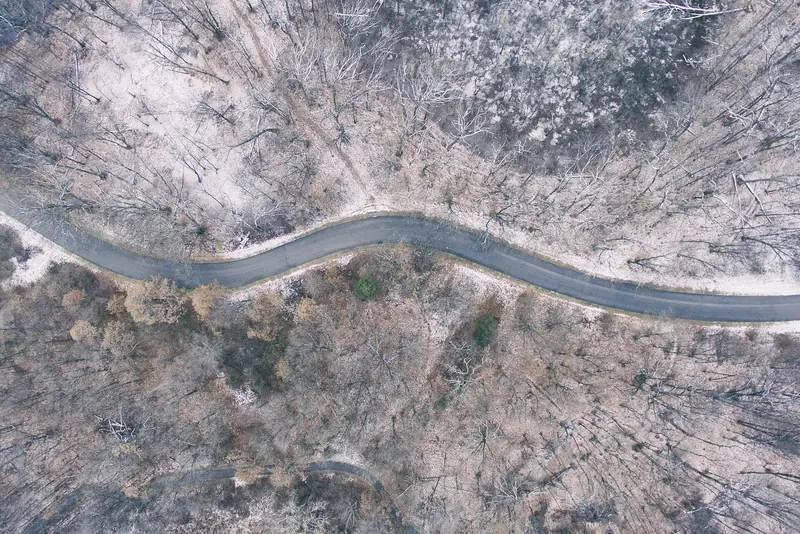
Ice Storm Tree Damage: What to Clear First in Michigan
Half an inch of ice brings down a woodlot. What to clear first (access, then the hung-up and split trees), the rule of thumb for which damaged trees recover, why hardwoods get judged in June, what to do with the brush, and how we sequence a storm cleanup on acreage.
Read the guide →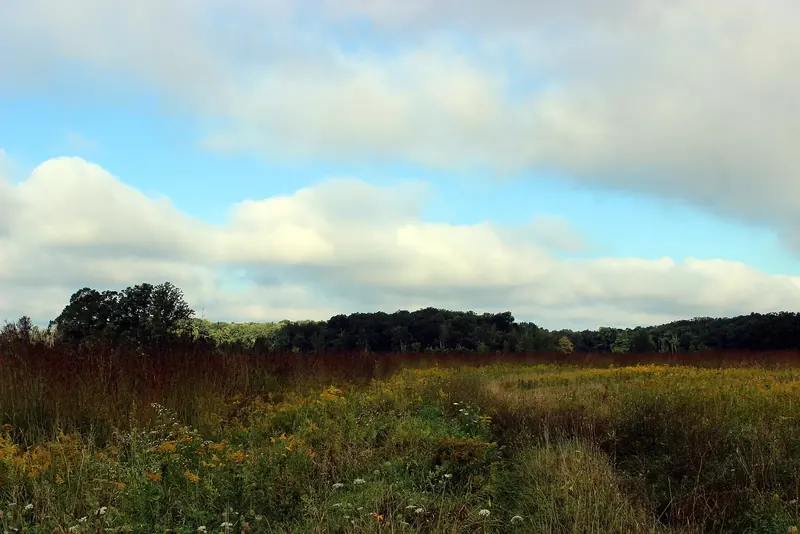
How Often to Brush Hog a Field: A Michigan Schedule
Once a year keeps a field a field. Twice a year beats the biennial weeds. Every two or three years grows wildlife cover. The brush hogging schedule by what the ground is for, the mowing windows that stop parsnip, thistle and knapweed from seeding, cut heights, and the month-by-month Michigan calendar.
Read the guide →
Dead Ash Trees on Your Michigan Land: What to Do Now
Southeast Michigan is where the emerald ash borer was first found, and the dead ash are still standing. How to recognize the damage, why dead ash is the most dangerous tree on your land, how long it stays up, and how we take it down on acreage.
Read the guide →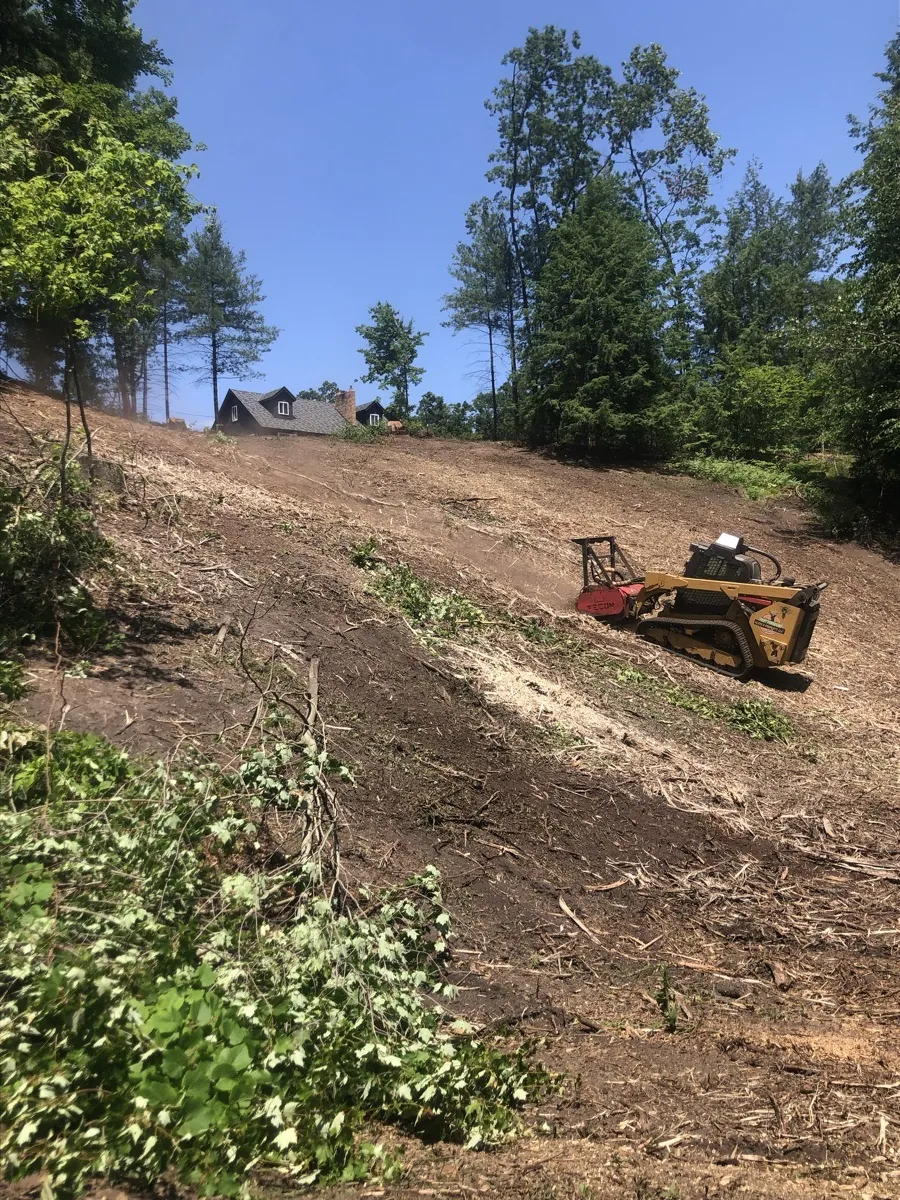
Steep Hillside Clearing in Michigan: How We Clear Slopes, Creek Banks, and Embankments With a Forestry Mulcher
How Gibson Environmental Services clears overgrown hillsides, creek banks, pond slopes, and embankments in Metro Detroit with a tracked forestry mulcher.
Read the guide →
The 10 Worst Invasive Plants in Michigan (and How to Actually Get Rid of Them)
Michigan's 10 worst invasive plants, how to tell them apart, and what it takes to clear buckthorn, honeysuckle, autumn olive and phragmites for good.
Read the guide →What Happens After Forestry Mulching? Timeline, Mulch Breakdown, and Grass Regrowth, Month by Month
What happens after forestry mulching: how fast the mulch breaks down, when grass comes back, and how to manage regrowth on cleared Michigan land.
Read the guide →Ready to Get This Done?
Send the address and a few photos through the quote form, or call. You will get one project price for the whole job.