Invasive Species Removal & Land Restoration
Remove Harmful Brush, Restore Your Ecosystem, and Reclaim Your Land
Licensed & Insured
Invasive growth removal begins with identifying which species are on the property and mapping their coverage, then a forestry mulcher grinds the stand down to the root zone and leaves a chip layer with no burn pile. The same approach covers whichever invasive species is on the ground, from buckthorn and honeysuckle to multiflora rose, callery pear and phragmites. Each job is quoted as one written price.
Invasive Plants Are Silently Taking Over Your Land
Species like honeysuckle, multiflora rose, autumn olive, and callery pear aggressively choke out native trees, destroy wildlife habitat, and reduce property value. Left untreated, they take over entire forests and fields, making your land unusable and damaging ecosystems.
Gibson Environmental Services uses forestry mulching and environmental best practices to eliminate invasive plants at the root. We don't just clear land; we restore it. Our field guides cover the plants we clear most: buckthorn, autumn olive, bush honeysuckle, multiflora rose, Japanese barberry, tree of heaven and phragmites.
Reclaim Your Property from Invasive SpeciesLand Should Support Life, Not Be Overtaken by Invasives
We believe land should support life, not be overtaken by invasive species that destroy it.
Our invasive growth removal service restores balance to your land, protects native ecosystems, and ensures your property can thrive for generations to come.
How Invasive Removal Works
A comprehensive approach to ecological restoration
Identify Invasive Species & Map Coverage
We assess which invasive species are present and determine the best removal approach.
Forestry Mulching & Root Disruption
Our equipment grinds the invasive plants down to the root zone and sets regrowth back hard.
What Grows Back
The chip layer holds the soil while grass and native cover come back through it.
Why Choose Invasive Growth Removal Services?
Professional ecological restoration that brings your land back to life
Restores Native Ecosystems
Removes harmful species to support healthy tree and plant growth.
Prevents Regrowth
Forestry mulching disrupts the root base to reduce invasive return.
Improves Land Usability
Reclaims land that was unusable or blocked by dense overgrowth.
Roots Stay in the Ground
The chip layer holds the soil while grass and native cover come back.
Promotes Wildlife Habitat
Clearing invasives allows native species and wildlife to return.
Professional-Grade Results
Large-scale capability for farms, HOAs, parks, and private landowners.
Curious what this service costs on your land? Send a few photos through the quote form for a price based on acreage, brush density, and terrain.
Get a QuoteFrequently Asked Questions
Everything you need to know about invasive species removal
Free guide · 2026 edition
Landowner’s guide to clearing buckthorn and other invasive brush
How clearing jobs get quoted, what we check before work starts, the best months to clear, and a printable checklist. Read it online, or download the 17-page PDF. No email needed.
Where We Do This Work
Forestry mulching, brush hogging and lot clearing across eight Southeast Michigan counties from our base in Royal Oak. Every county page lists the townships we work in most, with a page for each.
What the Work Looks Like
Buckthorn, autumn olive, honeysuckle, and other invasive brush removed at the root.

A tracked mulcher grinding through a dense invasive thicket.

A forestry mulcher grinding invasive brush into the ground, the same in-place method used on buckthorn, autumn olive, and honeysuckle.

Ground left after an invasive-brush mulching pass: mulch over roots, nothing to haul.
Related Guides
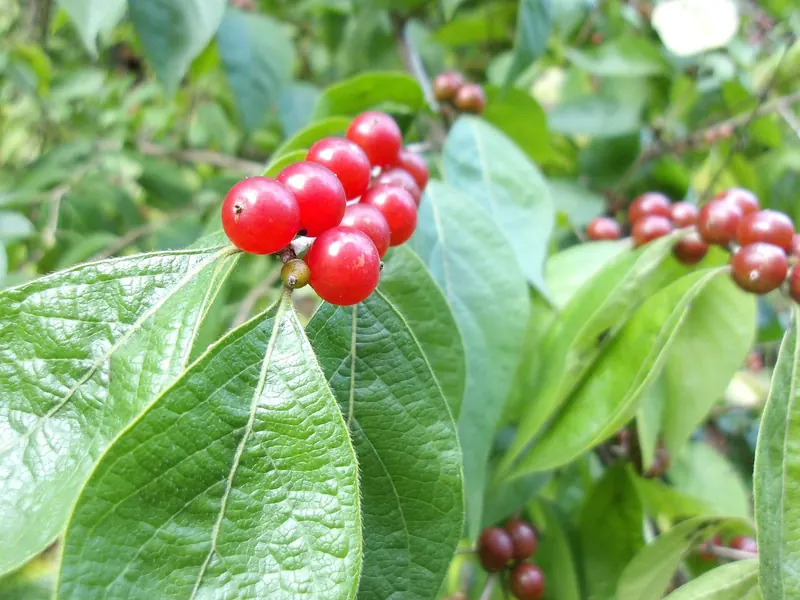
Invasive Vines in Michigan: Field Guide and How to Clear
The vine with the red berries pulling your fence down, the one strangling the maple, the grape look-alike with the blue and purple fruit. A field guide to the invasive vines of Southeast Michigan, three look-alike pairs, and how a vine-choked tree line or fence row gets cleared.
Read the guide →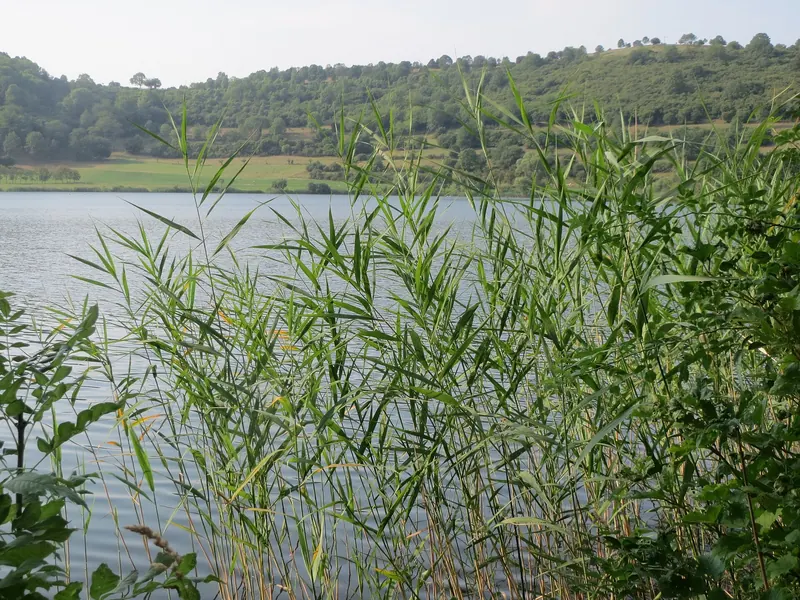
Japanese Knotweed in Michigan: ID, Timing and Clearing
Hollow jointed canes that look like bamboo, heart-shaped leaves, white flower sprays in August and a root system that treats every fragment as a new plant. How to identify Japanese knotweed, where it grows in Southeast Michigan, and the multi-season plan of cutting, follow-up and monitoring that clears a stand.
Read the guide →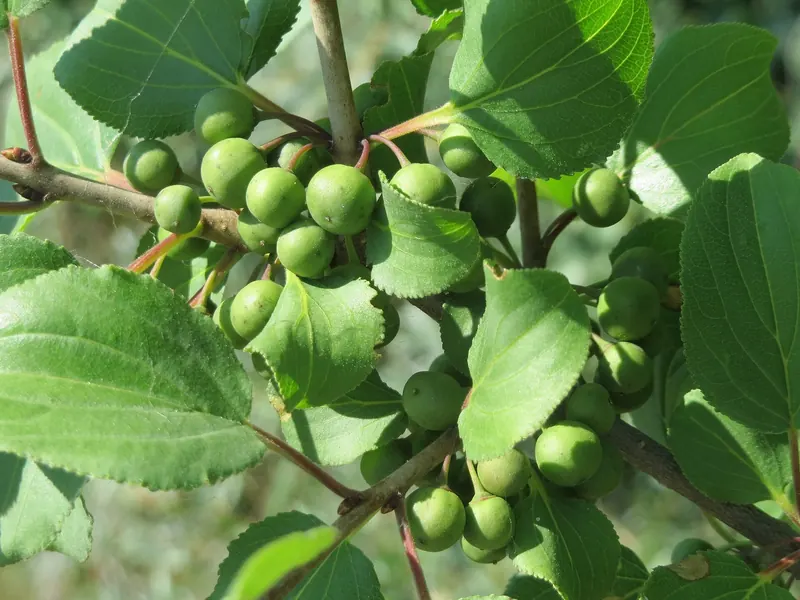
What to Plant After Removing Buckthorn in Michigan
The bare ground after a buckthorn or honeysuckle clearing is an invitation. A swap table of Michigan natives for each invasive, by light and soil, and the two-year plan of mowing, watching and replanting that keeps the ground yours.
Read the guide →
The 10 Worst Invasive Plants in Michigan (and How to Actually Get Rid of Them)
Michigan's 10 worst invasive plants, how to tell them apart, and what it takes to clear buckthorn, honeysuckle, autumn olive and phragmites for good.
Read the guide →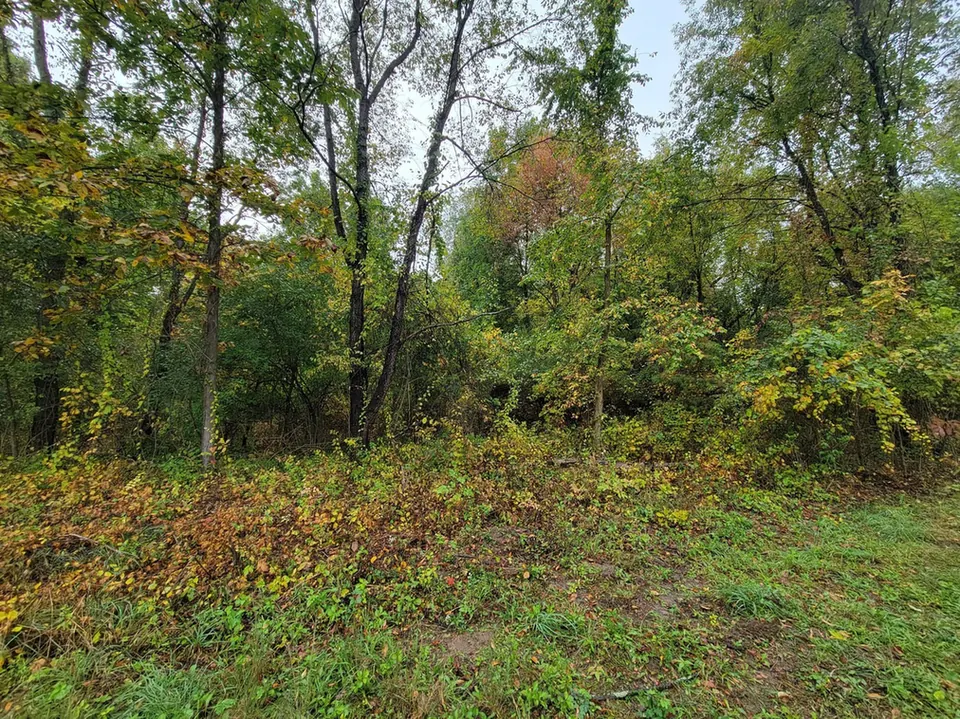
How to Get Rid of Buckthorn & Autumn Olive in Michigan (Complete Removal Guide)
The best ways to remove invasive buckthorn and autumn olive in Michigan: methods compared, costs, timing, and why forestry mulching is the most effective.
Read the guide →What Happens After Forestry Mulching? Timeline, Mulch Breakdown, and Grass Regrowth, Month by Month
What happens after forestry mulching: how fast the mulch breaks down, when grass comes back, and how to manage regrowth on cleared Michigan land.
Read the guide →Ready to Restore Your Land and Protect Your Ecosystem?
We help property owners, farmers, and public land managers eliminate invasive species and restore land the right way.