Home›Services›Forestry Mulching›Wayne County
Forestry Mulching in Wayne County, Michigan
Overgrown back acres, river bottoms and whole vacant blocks, from Canton to Grosse Ile, ground to chips on the spot.
Wayne County is the most built-up county we work, and it still grows brush faster than anyone mows it. The acreage that calls us is in the gaps. It is the back ground behind western homes in Canton, Plymouth and Northville, the river bottoms along the Huron River through Van Buren and Huron townships, the marsh edge around Grosse Ile, and the runs of vacant lots in Detroit and Highland Park that have gone to thicket together. Willow, cottonwood, box elder, buckthorn and grapevine take any ground that misses a few seasons.
Forestry mulching suits that ground. Our Bobcat T86, a high-flow skid steer on rubber tracks, carries a FECON mulching head that takes brush, saplings and trees up to roughly 6-8 inches at the stem, with larger trees in pieces. Everything lands as a chip layer, typically 2-4 inches, right where it grew. That matters in a county with no room for a brush pile and no alley wide enough to haul one out. The forestry mulching page explains the method, and the lot clearing in Wayne County page covers single building lots and infill parcels in the same county.
Most of Wayne County is 20 to 45 minutes from our base in Royal Oak, nearest on the Detroit side and a little farther toward Canton and Grosse Ile. We price each job as one written project, travel included, from photos or a walk-through. Tell us where it is and what has grown up through the quote form, or call. Calls are answered 8 AM to 8 PM, seven days a week, and every form and text gets a reply within one business day.
What we clear
- Back acres behind western Canton, Plymouth and Northville houses, grown up in saplings and grapevine.
- River-bottom ground along the Huron River in Van Buren and Huron townships.
- Marsh edges and wooded shoreline on Grosse Ile, taken down to a chip layer that holds the soil.
- Retention pond banks, outlots and buffer strips where buckthorn and Callery pear come back every year.
- Runs of neighboring vacant lots in Detroit and Highland Park, with the alleys and fence lines between them.
- Fence rows and field edges on the last farm ground around Huron Township, where box elder and wild grape are closing in.
What you get
- Whole parcels worked section by section until the last corner is done.
- A chip layer, typically 2-4 inches, that settles into the ground and holds soil on banks and slopes.
- Keeper trees taped on the walk-through and worked around, with shade trees left standing along the water.
- One written project price, travel included, set before the machine moves.
Where Forestry Mulching Comes Up in Wayne County
The acreage jobs that come up most in this county.
Back acres in Canton, Plymouth and Northville
These townships were farm fields until fairly recently, and the ground behind a house grows up fast once it stops being mowed. We mulch it back to the property line or the tree line, keep the trees you tape, and bring the machine through a standard gate without cutting up the lawn. Brush removal →
Huron River bottoms in Van Buren and Huron townships
From Belleville Lake south to the river crossings, low banks fill with willow, cottonwood, box elder and grapevine. We walk the bank, plan the way in and out, and mulch from the firmest ground, leaving chips that hold the soil while grass returns. Invasive growth removal →
Grosse Ile shoreline and wooded estate lots
The island sits in the Detroit River, and a wall of brush builds between the yard and the water on any lot left to itself. We take that wall down to a chip layer, keep the shade trees, and work along the bank rather than across it. The mulching vs excavator clearing guide explains why a mulching head suits ground like this better than an excavator. Lakefront clearing →
Vacant blocks in Detroit and Highland Park
Where several lots in a row have grown up together, it makes sense to mulch the whole stretch in one visit, alleys and fence lines included. We already cut vacant ground in Highland Park on a repeat basis, and a block can be put on the same footing so it stays a block. Vacant lot cleanup →
How the Job Goes
Tell us where it is
Photos of the growth and an address or map pin are enough to price most parcels. Larger acreage and anything on a river bank we walk with you first.
Tape the keepers and the lines
We mark the trees that stay, the property or community line, and any ground the machine should work around. On river and shoreline parcels we also pick the route in and out.
Mulch it in sections
The head works the parcel a section at a time. Brush and trees up to roughly 6-8 inches at the stem are ground in a pass, and larger trees are taken in pieces.
Walk it and plan the return
We walk the finished ground with you. Buckthorn, box elder and phragmites send up new shoots, so a light return visit is easy to plan in.
When to do it
River bottoms and marsh edges are best taken on frozen ground, when the tracks cross low corners that would hold water and rut in spring. Back acres, outlots and vacant blocks run in any season, and leaf-off is the easiest time to see property lines and the trees you want kept. Along Belleville Lake a dry stretch in summer works too.
How it is priced
Every job is priced as a project, from photos or a walk-through. Acreage, how dense the growth is, how the machine gets in and the drive from Royal Oak all count, and the result is a single written price, travel included. The pricing guide shows what moves the number.
The Ground This Work Happens On
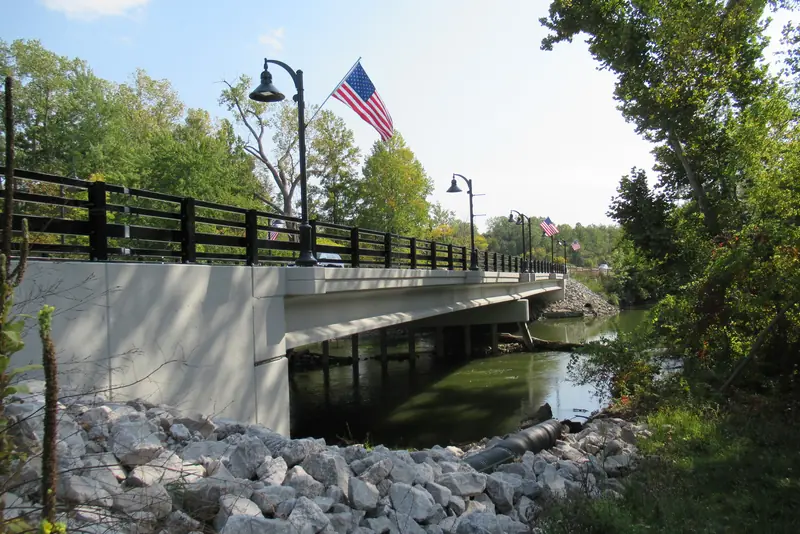
Ground in Wayne County that grows brush fast: lake edge, river crossing and marsh edge.


Townships We Mulch in Wayne County
Each page covers the local ground and the jobs that come up there.
Forestry Mulching Questions We Hear in Wayne County
Can you mulch overgrown back acres behind a house in Canton or Plymouth?
Yes. The rubber tracks spread the weight and the machine fits through a regular side gate, so the lawn comes through the trip in good shape. You tape the trees you want to keep and we grind the rest to chips.
What grows along the Huron River, and how do you work it?
Willow, cottonwood, box elder and grapevine fill the bottoms, with phragmites on the wettest edges. We walk the bank first and pick a route on firm ground, and the chip layer left behind keeps the soil in place while grass comes back.
Can you clear the wooded shoreline of a Grosse Ile lot?
Yes. The brush between the yard and the water is ground to chips and the shade trees stay. The tracked machine has low ground pressure, which makes it a good fit for bank work once the route is planned.
Do you handle subdivision outlots and retention pond banks?
Yes. The strips and pond banks left from the old farm sections grow buckthorn and Callery pear year after year. We mulch them down so the mowing crew can take over, and a whole community is quoted together so the board sees one price.
How do you keep cleared ground from turning back into a thicket?
Cut stems of buckthorn, box elder and phragmites resprout, so we plan a light return visit on the ground that needs it. Vacant blocks and outlots can go on a repeat schedule that is priced for the season.
Related services
Ready to Clear Your Wayne County Acreage?
Tell us where it is and what has grown up through the quote form, or call. Most of the county is 20 to 45 minutes from Royal Oak, and the drive is already in the price.