Home›Services›Forestry Mulching›Lapeer County
Forestry Mulching in Lapeer County, Michigan
Old pasture, hedgerows and hunting parcels from Metamora to Imlay City, ground to chips in place and open again.
Lapeer County is the largest acreage market we serve. Ten- to eighty-acre holdings run from the hills around Metamora, Hadley and Dryden east to the flatter farm sections near Almont and out toward Imlay City, and a lot of that ground has been left alone for a few seasons. Old pasture, hay fields nobody is cutting any more and hunting parcels bought for the view all grow back the same way. Hedgerows widen, woodlot edges push out into the field, and autumn olive and hawthorn fill the corners of every pasture.
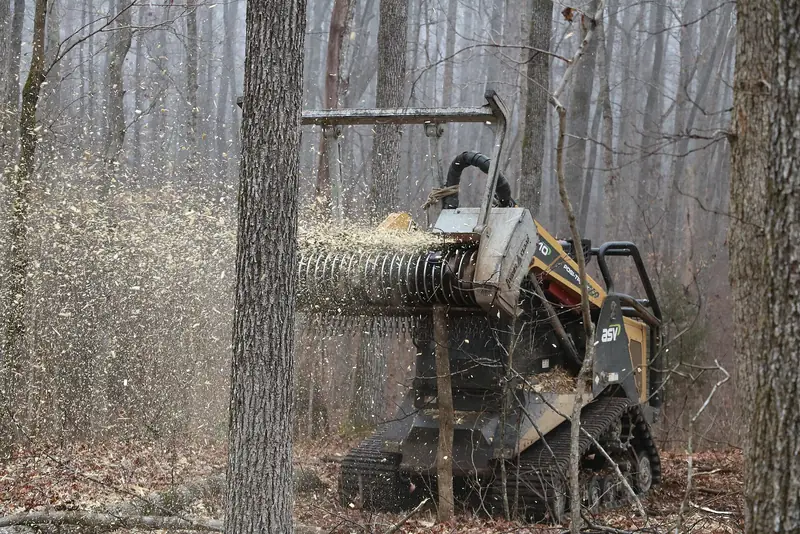
Forestry mulching is how we take that ground back. A high-flow tracked skid steer carries a FECON mulching head that grinds brush and saplings where they stand, up to roughly 6-8 inches at the stem, with larger trees in pieces. The cuttings go back down as a chip layer, typically 2-4 inches, so a hedgerow or a hunting trail ends the day open with nothing stacked beside it. The forestry mulching page explains the method, and the Lapeer County page covers the rest of the work we do across the county.
Lapeer County sits 45 to 70 minutes north of our base in Royal Oak, and the drive goes into one written project price, so even a big parcel is quoted as a single job. For a price, send us the address and photos through the quote form, or call. Calls are answered 8 AM to 8 PM, seven days a week, and every form and text gets a reply within one business day.
What we clear
- Autumn olive, hawthorn and multiflora rose spreading out from old pasture fence lines.
- Hedgerows of box elder, honeysuckle and wild grape between one field and the next.
- Woodlot edges that have crept a few feet a year into hay ground.
- Two-tracks and shooting lanes that cherry and box elder saplings have closed up.
- Willow and dogwood on the low bottoms near the Flint and Belle Rivers.
- Brush and young trees around barns, long drives and the back acres of a new split.
What you get
- Brush and small trees ground where they stand, with the chips left over the soil as ground cover.
- Hedgerows and woodlot edges pushed back to the line you mark, and nothing hauled away.
- Trails and lanes that are open, quiet underfoot and ready to walk or ride.
- One written price for the whole parcel, travel included.
Where Forestry Mulching Comes Up in Lapeer County
Where forestry mulching does the most good in Lapeer County.
Old pasture around Metamora, Hadley and Dryden
Pasture that stops being grazed fills in from the fence line first, with autumn olive, hawthorn and rose. The mulching head works the whole field and the fence rows in one pass, and the ground is open again for new board, wire or a mower. Pasture reclamation →
Hedgerows and woodlot edges near Almont and Imlay City
On the flatter farm sections the trees creep out into the field every year. We follow your old survey line or the flagging you leave, grind the thicket back to it, and take larger trees in pieces so the field gets its width back. Fence line clearing →
Hunting parcels, ten to eighty acres
Access trails, stand approaches and long shooting lanes are cut in late summer so they settle before the season. The chip layer is quiet to walk on, and plot ground can be opened on the same trip. Hunting land clearing →
Cleared ground that stays cleared
A pasture or hedgerow opened once holds for a few seasons before woody regrowth starts over. The brush hogging in Lapeer County page covers cutting the open ground each year, and a larger parcel can go on a schedule that fits the season. Property maintenance →
How the Job Goes
Show us the parcel
Send photos, an aerial screenshot or a phone video from the field edge. A parcel with more than a few acres of growth we walk with you before pricing it.
Mark the line and the keepers
Tell us where the hedgerow or woodlot edge should end, and tape the trees you want left standing. We cut to your marks.
Mulch it in passes
The tracked machine takes the fence rows and thick brush first, then sweeps back through for what is left. Larger trees come down in pieces.
Walk the finished ground
We walk it with you before we load out. The chip layer settles in with the first rain.
When to do it
Late summer into early fall is the window for hunting parcels, so the trails and lanes have settled before the season. Leaf-off shows property lines and hedgerows best, and hard frozen ground suits the willow and dogwood bottoms near the Flint and Belle Rivers. Pasture and hay ground can be done whenever nothing is grazing it.
How it is priced
By the project, not by the acre or the hour. The density of the growth, the size of the stems, how far the machine travels inside the parcel and the drive from Royal Oak all go into one written price, quoted from photos or a walk-through. The pricing guide breaks down what moves the number.
The Ground This Work Happens On
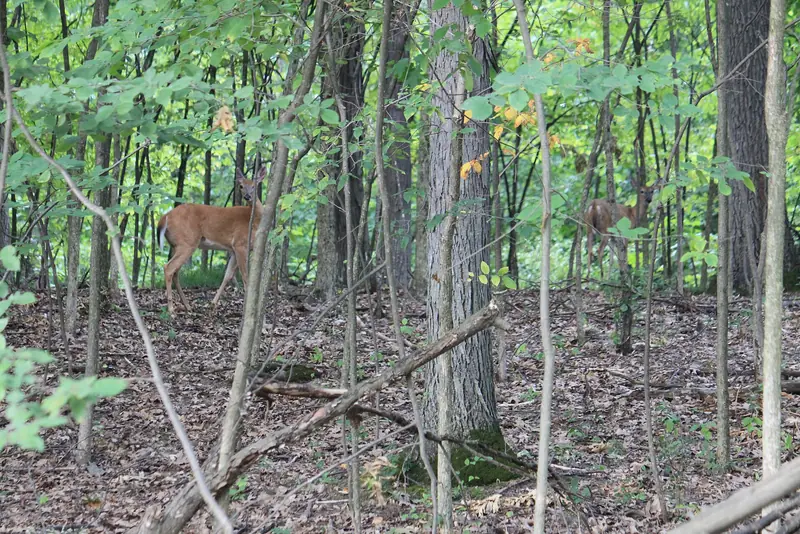
Ground like this in Southeast Michigan, from hay field edges to the finished chip layer.

Townships We Mulch in Lapeer County
Each page covers the local ground and the jobs that come up there.
Forestry Mulching Questions We Hear in Lapeer County
How big a parcel is worth bringing the mulcher to in Lapeer County?
Anything from a back corner of a home parcel up to a full eighty acres. A big parcel is done in sections, starting with whichever ground matters most to you, and the written price covers the whole job.
Will the mulcher follow my old fence line or survey edge?
Yes. Mark the line with flagging or point it out on a walk, and we cut to it. The strip between the hay and the trees ends up open and mowable once the chips have settled.
How do I keep autumn olive from coming back in my pasture?
Grinding the stems and the crown sets the shrub back hard, but seedlings still sprout from seed already in the ground. Walk the pasture each summer and mow or spot-cut anything that starts while it is small.
What about the wet bottoms near the Flint and Belle Rivers?
We plan the low ground for frozen or dry conditions so the tracks ride on top. Willow, dogwood and cattail come out the same way upland brush does, and the higher ground around them can be done any time.
Is forestry mulching or a brush hog the better choice for my old pasture?
It depends on what is growing. Grass and brush up to about 3 inches suit a brush hog, and thicker autumn olive and saplings need the mulching head. Most Lapeer County pastures have both, so we run both on the same machine in one visit.
Related services
Ready to Open Up Your Lapeer County Acreage?
Send photos of the parcel and the address through the quote form, or call. You get one written price, with the drive from Royal Oak already in it.