
Stumps After Forestry Mulching: What Is Left in the Ground, and What to Do With It
The Gibson Environmental Services crew
More than 10 years clearing land, cutting trails, and running forestry equipment in Southeast Michigan.
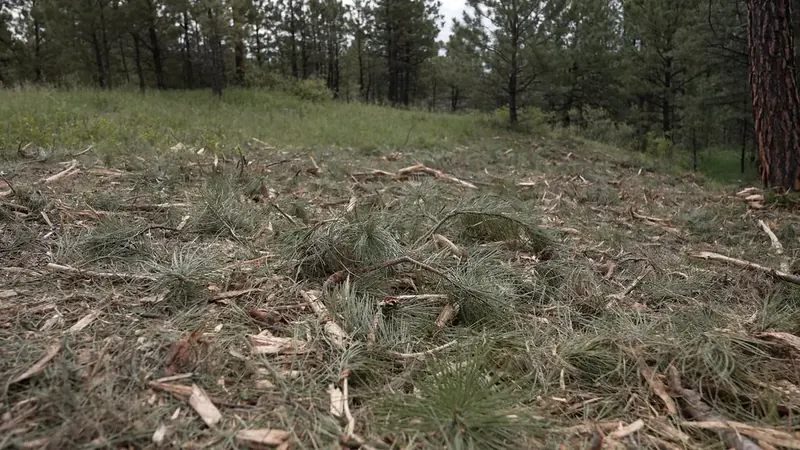
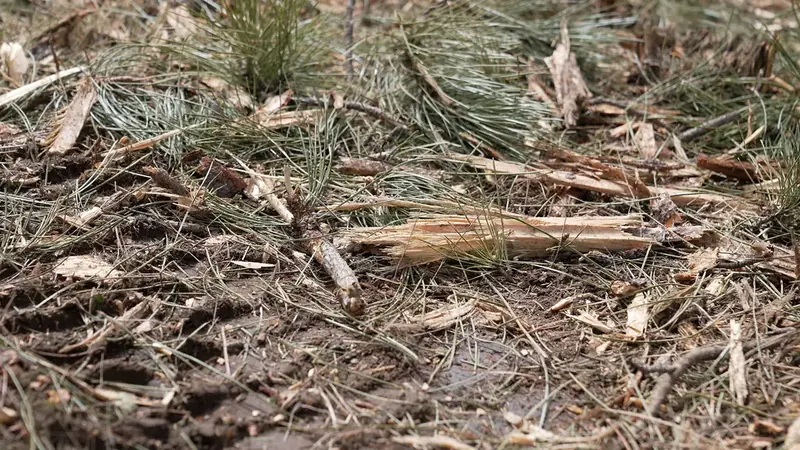
After a forestry mulching pass the stumps are ground down to the ground. The stem, the stump and the flare are chewed into chips with everything else and spread over the spot; what stays is the root system below grade, under a layer of fresh mulch. Walk the ground a week later and you find a flat, soft surface you can mow, seed, drive across or build a trail on, with no stump field to work around and no pile to burn or haul.
That is the honest answer to the most common question we get after a job, and it leads to the three that follow: how long the roots take to break down, which trees try to sprout back from them, and when a spot needs the stump ground below grade or dug out instead. This guide answers all four for Southeast Michigan ground, with the follow-up plan we use on our own forestry mulching jobs. For what the chip layer itself does, read our guide to what happens to the mulch after forestry mulching.
What Each Clearing Method Leaves of a Stump
The three ways we clear land leave three different things in the ground, and the difference decides what you can do with the spot afterward.
| Method | What is left of the stump | What is left on the ground | Best fit |
|---|---|---|---|
| Forestry mulching | Ground down to the ground; roots stay below grade | A layer of chips over the whole area, no piles | Overgrown lots, woodlot thinning, trails, pasture, food plots, fence rows, lot clearing where the ground stays as ground |
| Brush hogging | Cut as close to the ground as possible | Chopped material left where it falls as a mulch, unless you ask for something else | Fields, pasture, old hay ground, light brush and saplings, annual maintenance |
| Hand clearing | Cut flush | Brush hauled away or stacked where you point | Tight spots, around keeper trees, small jobs, piles you want for wildlife or firewood |
| Grubbing (excavator or dozer) | Stump and the large roots pulled out | Spoil and stumps to be hauled or piled | Building pads, driveways, septic fields, anything that will be graded and compacted; see clearing vs grubbing |
On a mulching job the chips are the point: the mulch layer holds the soil in place, keeps seedlings down and turns into topsoil as it breaks down. The roots left under it are the trade for all of that, and for most uses of the ground they never become a problem.
How Long the Roots Take to Rot
Slowly, and faster than a stump left standing. The university extension stump guide we cite below puts natural stump decay at often more than ten years, with the speed set by moisture, the fungi at work and the species. A mulched root system has three things going for it: the stump above grade is already gone, the chip layer over it keeps the ground damp and the fungi fed, and the fine roots that make up most of the mass are small enough to go in a few seasons.
- Fine roots and brush-sized stems: gone within a few growing seasons under a chip layer.
- Softwood and soft hardwood roots (pine, aspen, cottonwood, box elder, willow): the fastest of the big ones; soft enough to kick apart in a few years.
- Dense hardwood roots (oak, hickory, maple): a decade or more for the crown of the root system, longer for the big laterals.
- Dead ash: already rotting when we cut it, so it goes faster than a live tree of the same size; see our guide to dead ash trees on your land.
The same guide's advice for speeding a stump along applies to a mulched one too: keep it low, keep it damp, and let the fungi have it. Nitrogen helps the fungi; a layer of chips helps the moisture. Fire and chemicals in the hole are the two things the extension office steers people away from, and we agree.
Which Trees Try to Come Back From the Roots
A cut stump is not a dead stump. Most Southeast Michigan hardwoods sprout from the crown of the root system the first summer after a cut, and a few spread by root suckers that pop up yards away from the original stem. The university extension guide to stump sprouting we cite below lists oak, ash, aspen, cottonwood and maple among the stump-sprouters, and tree of heaven, black locust, poplar and aspen among the root-suckerers; pines and junipers generally stay down once cut.
| What was cut | What it does the next summer | What works |
|---|---|---|
| Buckthorn, bush honeysuckle, autumn olive, multiflora rose | Sprouts from the stump crown, several stems per stump | A second pass in late summer the following year, or cut-stump treatment the same day; see our buckthorn and honeysuckle guides |
| Box elder, maple, oak, basswood, elm | Stump sprouts, vigorous in full sun | Mow or brush hog the sprouts the next two summers; the roots run out of stored energy and quit |
| Tree of heaven, black locust, aspen, sumac | Root suckers across the whole root zone | Repeated cutting for three or four summers, or a late-summer treatment; see tree of heaven removal |
| Dead ash, dead elm, dead anything | Nothing. Dead roots sprout nothing | Leave them to rot |
| Pines, spruce, cedar, juniper | Nothing | Leave them to rot |
Every one of those sprouts is a small plant with a big root behind it, which is why a brush hog pass the next summer takes an hour where the first clearing took a day. Repeated cutting works because each cut spends stored energy the root never gets back; that guide puts the job at three or four seasons for the root-suckering species, and that matches what we see. Seedlings from the seed bank are a different matter, and the chip layer handles most of those by shading them out.
Leave, Grind or Dig: Decide by What the Ground Is For
The end use decides the stump question, not the stump. Tell us what the ground is for when we walk the site and we plan the pass around it.
Pasture, hay, food plots, trails, hunting land
Leave the roots. The mulched surface mows and drives fine, seed takes through the chips, and the roots feed the soil as they go. This is most of the acreage we clear; see pasture reclamation and food plot site prep.
Lawn around a house
Leave the roots in most of it and grind the few stumps that sit where a mower deck will find them. Grinding takes the stump and the large laterals about 8 to 12 inches below grade (the extension figure), which is deeper than any mower goes.
Driveway, building pad, septic field, pond
Dig. Anything that will be graded, compacted or excavated gets the stumps and big roots pulled, which is grubbing, not mulching. We clear the brush and small stems first so the excavator works a clean site; see our guide to forestry mulching vs excavator clearing.
Garden beds and planting areas
Grind or dig the stumps inside the bed and rake the grindings out before adding soil; chips mixed into a bed tie up nitrogen for a season. Everywhere else, the chips stay.
One more use for a stump: habitat. The extension stump guide notes that dead stumps are food and shelter for wildlife, and on hunting land a few left standing along an edge are worth more than the work of grinding them. Our guide to which trees stay and which go before mulching covers how we mark those.
The First Year After the Pass, Month by Month
- Right after: the surface is soft and the chips are loose. Stay off it with heavy loads for a few weeks if the ground is wet.
- First spring: seed grass or clover straight into the chips, or let the native seed bank come up. Mow whatever comes up once it reaches knee height so the sprouts spend their energy.
- First summer: the stump sprouts show. A brush hog pass, or a mower on lighter ground, takes them off; a second pass in late summer finishes the year.
- First fall: the chip layer has settled and darkened. Walk it and flag any stump you want ground or any spot where a sprout came back strong.
- Second summer: a lighter version of the first. By the third year the sprouting species have usually quit and the ground is mowing like a field.
The guide to grass and clover regrowth after mulching has the seeding detail, and what to plant after removing buckthorn and honeysuckle covers replanting a cleared edge with natives so the invasives find no room.
What We Do on Our Own Jobs
On a forestry mulching job we mulch everything down to the ground, stumps included, and leave the chips in place. On a brush hogging job we cut the stumps as close to the ground as possible and chop everything else where it stands, unless you ask us to leave material a certain way. On a hand-clearing job the stumps are cut flush and the brush is hauled off or stacked where you tell us. When part of a site is headed for a pad or a drive, we say so on the walk-through, clear the brush so the excavation crew has a clean site, and keep the mulched ground where the ground is staying ground. The quote is free; book it through the contact page or the quote form.
Common Questions
Are the stumps gone after forestry mulching?
Above the ground, yes. The mulcher grinds the stem and the stump down to the ground and spreads the chips. The root system stays below grade and breaks down over the years that follow.
What should I do after forestry mulching?
Let the chips settle, seed into them in spring if you want grass or clover, mow or brush hog the stump sprouts once or twice the first two summers, and flag any stump you want ground where a mower deck or a foundation will be. Our mulch aftercare guide walks through the first year.
Do trees grow back after forestry mulching?
Some try. Oak, maple, box elder, aspen and the invasive shrubs sprout from the cut stump or the roots the first summer; a mowing pass the next two summers runs the roots out of energy. Dead trees, pines and spruce stay down.
Will grass grow after forestry mulching?
Yes. Grass and clover seed take in the chip layer, and on most ground the native seed bank comes up on its own. The first year leans on what was already in the soil; a mowing pass keeps the sprouts from shading it out.
How long does it take for the roots to rot?
Fine roots go in a few seasons. Softwood and soft hardwood roots take a few years. Dense hardwood roots take a decade or more, which matches the Iowa State figure of often more than ten years for a stump left to rot on its own.
Do I need stump grinding after forestry mulching?
Only where a stump sits in the way of something: a mower deck in a lawn, a bed you want to dig, a pad or a drive. Pasture, trails, food plots and woodlots leave the roots in place. Tell us the end use and we plan the pass around it.
What do I do with leftover mulch from stump grinding?
Rake grindings out of any bed or lawn area that will be topsoiled, because fresh chips mixed into soil tie up nitrogen for a season. Spread them on a path, a wood edge or a brush pile instead, or leave them in place to settle where nothing will be planted.
Can I build on the spot later?
Yes, after the stumps and roots under the footprint are dug out and the ground is graded. Mulching gets the site clear and visible; a building pad or a drive is grubbing and grading work on top of that, and we tell you where that line falls on the walk-through.
Sources and Further Reading
The decay, grinding-depth and sprouting figures above come from these university extension pages. Our own practice on stumps is stated in the text.
Iowa State University Extension and Outreach: How to Remove Tree Stumps
University of Arizona Cooperative Extension: Stump Sprouting and Root Suckering of Trees (AZ1401)
Oregon State University Extension: Other options for treating slash: piling and mastication
Virginia Department of Wildlife Resources: Timber Stand Improvement for Wildlife
Where We Do This Work
The work in this guide is done across eight Southeast Michigan counties from our base in Royal Oak. Every county page lists the townships we work in most, with a page for each.
Want to Know What Your Ground Will Look Like After?
We walk the site, hear what the ground is for, and tell you where the roots can stay and where a stump needs to come out. The quote is free.