
Pasture and Horse Fence Line Clearing in Michigan: Species, Livestock and Seasons
The Gibson Environmental Services crew
More than 10 years clearing land, cutting trails, and running forestry equipment in Southeast Michigan.
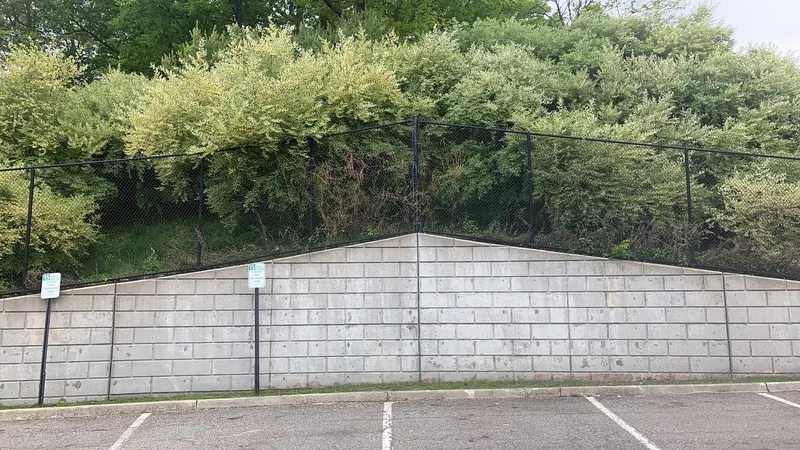
A pasture fence line is the first place a farm grows shut. Grazing keeps the field open, the mower keeps the lane open, and the strip under the wire gets neither, so it fills with the thorny shrubs the animals leave alone and then with the trees the birds plant. By the time the fence needs work the posts are inside a hedge and the wire is carrying grapevine.
This guide covers the pasture and horse version of fence line clearing in Southeast Michigan: which species take a pasture line and how to recognize them, how the work goes around horses and cattle, what happens to old wire and posts, how to keep the line from growing back, and which season suits which line. For the general question of how wide to clear and how feet become acres, start with the overgrown fence line guide; for the field side of the same job see pasture reclamation and brush hogging.
Why the Fence Line Goes First
A grazed pasture is a managed plant community: the animals eat the grass and the soft weeds, the mower takes what they leave, and woody plants never get a start. The fence line breaks that pattern in three ways. Livestock browse up to the wire and no farther, so the strip beyond it is ungrazed. The mower turns short of the posts, so the strip is unmowed. And the fence itself is a perch: hedgerow ecologists note that birds favor wire fences for perching and leave the seed of whatever they ate along the line, which is how multiflora rose, autumn olive and honeysuckle arrive in a row exactly one fence post wide.
The thorny species win first because nothing eats them. Once rose and autumn olive shade the strip, the bird-dropped tree seed, black cherry, hawthorn, box elder, elm, comes up protected inside them, and the line becomes a hedgerow with trunks. Horses make it worse in one respect: they reach over a fence for the leaves they can get, which keeps the inside edge trimmed and lets the outside edge spread unseen until the fence is a wall.
What Grows Into a Michigan Pasture Fence Row
| Plant | How to spot it on the line | What it does to the fence | Guide |
|---|---|---|---|
| Autumn olive | Silver-backed leaves, red speckled berries in fall, a shrub that leans over the wire | Shades the strip, sprouts from the root crown after cutting, carries the wire down when it leans | Autumn olive guide |
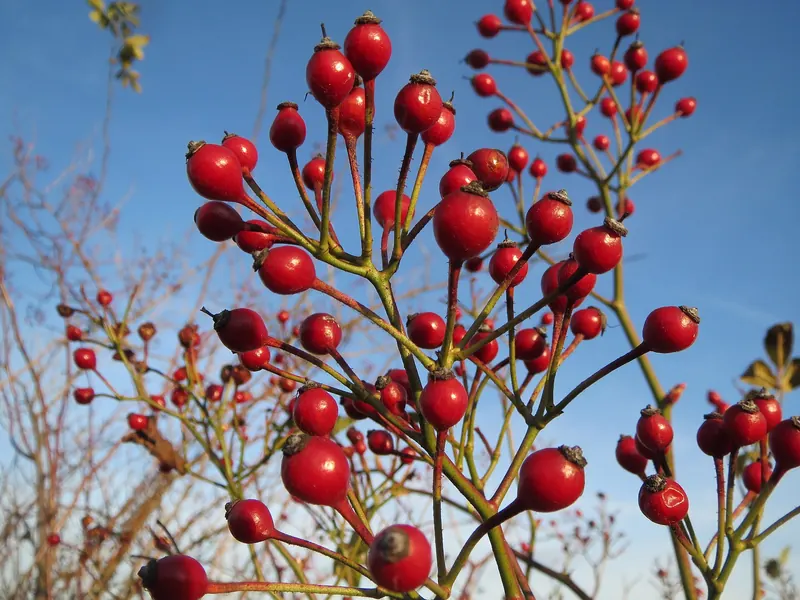
| Multiflora rose | Arching thorny canes, a fringed leaf base, clusters of small hips | The first thorny colonizer; tangles the wire and keeps the mower away from the posts | Multiflora rose guide |
| Bush honeysuckle | Opposite leaves, hollow stems, paired red or orange berries | Forms the shrub layer that hides the fence; resprouts after cutting | Bush honeysuckle guide |
| Common buckthorn | Fine-toothed leaves held late into fall, black berries, a thorn at the twig tip | Fills the shade under the taller shrubs and holds the strip in brush year-round | Buckthorn guide |
| Box elder | A maple with three- to five-part leaves on green twigs; favors disturbed ground and wood edges | The volunteer tree in most fence rows; drops limbs on the wire and heaves posts as it grows | Worst invasive plants guide |
| Wild grape | Shredding bark, large lobed leaves, a vine that climbs everything standing | Weighs down wire and shrubs together; the last thing to come off the fence | Covered in the hub guide |
| Black cherry, hawthorn, elm | Volunteer saplings coming up inside the shrubs | The trunks that turn a fence row into a hedgerow given twenty years | Covered in the hub guide |
The shrub layer is what most pasture lines are made of in Oakland, Lapeer, Livingston and Washtenaw counties, and all four of the shrubs above sprout again from the root crown after they are cut, which is why the follow-up section below matters as much as the clearing itself.
Working Around Horses and Cattle
Turnout comes first
The job is scheduled around your turnout. Animals go to the far paddock or the barn before the machine arrives, and they stay out of any field the machine is working in or crossing. On a perimeter fence that may mean rotating the herd through the day as the work moves along the line.
Gates, lanes and water
Tell us which gate the machine uses, which lane it travels and where the water and feed are, so nothing is blocked and no gate is left open. A tracked machine crosses a lane without rutting it and fits through a standard farm gate.
The line is walked afterward
A cleared pasture line is walked end to end before the animals come back: for sprung wire, for a broken post the brush had been holding up, and for anything the grinding turned up along the old fence. You get a list of the sections that need repair.
Chips, not piles
Forestry mulching leaves a strip of wood chips over the roots. There is no brush pile for a horse to get into and nothing to burn or haul, and the strip is walkable the same day.
Old Wire, Posts and the Brush on the Fence
Nearly every pasture line has an old fence inside it, sometimes two. Before the work starts you flag what you know: where the old wire runs, which posts are still standing, where a gate used to be, any stone pile or old water line. The brush and saplings along the fence are ground on the open side, the machine stays off the wire and the flagged posts, and the vines are pulled off the wire as the growth around them comes down. The last foot or two at the fence is hand work where it needs to be.
Whether the old wire comes out is your decision, and it is far easier once the line is open and every post can be seen. Many owners clear first, walk the line, and then decide between repairing the fence and replacing it; the clearing for a new fence guide covers the replacement path and the order of work with the installer.
Mulching, Brush Hogging and Hand Work on a Pasture Line
The three services divide a pasture line naturally. Forestry mulching takes the grown-in row itself, the band of shrubs and volunteer trees along the wire, grinding stems and root crowns flush with the ground and leaving a chip strip. Brush hogging takes the pasture edge beside it, the goldenrod, thistle and first-year saplings on open ground, and it is the service that keeps the line open in the summers afterward. Hand work handles the wire and the posts. Gibson Environmental Services runs the forestry mulcher and the brush hog attachment on the same tracked machine, so a pasture job is usually one visit; the forestry mulching versus brush hogging guide compares the two services in depth.
Regrowth and Keeping the Line Open
Research on mechanically masticated shrublands is blunt about regrowth: the treated shrubs can resprout vigorously, and where the site is dominated by resprouting shrubs and hardwoods the recovery is quick unless the clearing is followed up. Autumn olive, honeysuckle, buckthorn and box elder are all resprouters, so a pasture line cleared in winter will show shoots along the chip strip by July.
The follow-up is ordinary pasture management applied to a strip that is finally reachable. Extension pasture programs run on continual monitoring for weeds, mowing, and keeping the forage growing strongly enough to compete; on the fence line that means a brush hog pass along the wire two or three times in the first summer, once or twice in the second, and after that the yearly mowing you already do. Grazing animals help by browsing the soft resprouts on their side of the wire. Where a shrub keeps coming back, the species guides above cover the stubborn ones individually.
Seasons on a Pasture Line
| Season | What suits it | What to watch |
|---|---|---|
| Winter | Frozen ground carries the machine along wet fence lines and ditch banks; leaf-off shows every post and the old wire. | Animals are usually in or near the barn, so turnout planning is simple. |
| Spring | Dry upland lines and lines for a new fence before the grass gets tall. | Wet corners rut; wildlife agencies recommend scheduling vegetation clearing outside the local bird nesting season, so brushy rows wait. |
| Summer | The dry end of the season reaches wet stretches without a freeze; brush hog follow-ups along cleared lines. | Turnout is at its peak, so the herd rotates ahead of the machine; hay ground beside the line is cut first. |
| Fall | The main clearing season: leaf-off begins, nesting is over, the ground is firm and the fence is visible. | Book early; fall and winter dates fill first for fence lines. |
A Worked Example: Half a Mile of Perimeter Fence
A twenty-acre horse property has a half mile of perimeter fence, 2,640 feet, grown into autumn olive and box elder about 10 feet wide on the pasture side. The arithmetic: 2,640 feet times 10 feet is 26,400 square feet, or 0.61 acre of brush to grind. If the outside of the fence has grown the same way and the neighbor wants it cleared in the same visit, the corridor doubles to 20 feet and 1.21 acres. The horses go to the back paddock for the day, the machine enters at the road gate, the line is ground from the inside, the wire is cleared of grape by hand where it needs to be, and the line is walked before the horses come back. Two brush hog passes along the wire the next summer finish the job.
For a quote, send the length of the line, how wide it has grown, a photo at each end and one in the middle, a photo of the gate the machine would use, and a note on the old fence and the turnout schedule. The price factors guide explains how those turn into one flat project price.
Common Questions
Can you clear a fence line with horses in the pasture?
The animals move to the far paddock or the barn first, and they stay out of any field the machine is working in or crossing. The job is scheduled around your turnout, and the line is walked for wire and broken posts before they come back.
Which plants take over a pasture fence line in Michigan?
Multiflora rose and autumn olive first, because nothing grazes them; then bush honeysuckle and buckthorn in the shade; then the volunteer trees the birds plant, box elder, black cherry, hawthorn and elm, with wild grape climbing all of it.
Do you take out the old wire and posts?
The brush is ground around them and the vines come off the wire, with the machine kept off the posts and wire you flag. Whether the old fence comes out afterward is your decision, and it is easiest to make once the line is open.
Will the brush grow back on the fence line?
The shrubs will send up shoots from the roots in the first summer. A brush hog pass along the wire two or three times that year and once or twice the next turns the strip into grass, and the animals browse the soft resprouts on their side.
Is it better to mulch or brush hog a pasture fence line?
Both, in sequence. Forestry mulching grinds the grown-in row where it stands and leaves a chip strip; brush hogging mows the open pasture edge beside it and is the service that keeps the line open in the summers afterward.
What season is best for a pasture fence line?
Fall and winter: the leaves are down, the nesting season is over, the ground is firm or frozen, and the fence and old wire are visible. Wet stretches wait for a hard freeze or the dry end of summer.
What is left on the ground afterward?
A strip of wood chips a few inches deep over the roots, walkable and mowable the same day, with no brush pile along the fence. The roots stay in the ground and break down.
How many acres is a half mile of fence line?
A half mile is 2,640 feet. At 10 feet wide that is 26,400 square feet, 0.61 acre; at 20 feet, 1.21 acres; at 33 feet, exactly 2 acres. Width is the number that moves the acreage.
Do you clear the neighbor side of a shared pasture fence?
If the brush has come from both sides and the neighbor wants their side done, one visit and one combined price covers the whole corridor. Either way you end up with a clear line you can see along.
Sources and Further Reading
The colonization sequence and the bird-perch mechanism are from hedgerow ecology; resprouting after mastication is documented in the fire-science literature; pasture follow-up practice follows extension guidance; the acre arithmetic uses the standard conversions.
Farmscape Ecology Program, Hawthorne Valley: Hedgerows: how fence rows develop and which species colonize them
Missouri Department of Conservation: Box elder (Acer negundo) field guide: habitat on disturbed sites and wood edges
Joint Fire Science Program: Longevity and effectiveness of mechanical mastication treatments (resprouting after mastication)
Rutgers Equine Science Center: Pasture management: monitoring, mowing and rotation on a horse farm
U.S. Fish and Wildlife Service: Timing recommendations for land disturbance and vegetation clearing: protecting nesting birds
National Institute of Standards and Technology: Unit conversion factors: 1 acre = 43,560 square feet, 1 mile = 5,280 feet
Where We Do This Work
The work in this guide is done across eight Southeast Michigan counties from our base in Royal Oak. Every county page lists the townships we work in most, with a page for each.
A Pasture Line That Has Grown Shut?
Send the length of the fence, how wide the brush has spread, a few photos and your turnout schedule. Gibson Environmental Services clears the line for one flat project price, travel included, with the animals kept clear the whole day.