
A commercial parcel that has sat for a few years grows the same way a back lot does, only bigger: sumac and box elder along the road frontage, a wall of buckthorn and autumn olive on the fence line, cottonwood and willow in the low corner, and saplings coming up through the old gravel. Before a surveyor, an engineer or a buyer can walk it, somebody has to open it up. That is the job we do for developers, property managers, HOAs, utilities and municipalities from Auburn Hills to Richmond and out to Howell and Lapeer.
We clear it with a high-flow tracked skid steer running a FECON mulching head, backed up by a brush hog for the open ground. Brush, saplings and small trees are ground into a chip layer where they stand. There is no burn pile, no grapple truck and no dump trailer cycling past the neighbors, and the site is walkable the same day. Larger trees inside the work area are planned with your team on site and written into the same quote.
Every project gets one written price before we start, built from the acreage, the density of what is growing, the ground, access and travel. Phased work is priced by phase, and recurring cuts on outlots, pond banks and corridors can be quoted with the first clearing; see our property maintenance page. Send the parcel address and any site plan through the quote form and we will walk it with you. Read about the method on our forestry mulching page.
What we clear
- Vacant development parcels and outlots, cleared to the lines on the site plan.
- Road frontage and corner sightlines so a listing sign, a survey crew or a buyer can see the ground.
- Fence lines, ditch banks and retention pond slopes on HOA common ground and commercial sites.
- Utility, pipeline and access corridors, held to a set width, without a pile at either end.
- Municipal and park ground: trail corridors, drain easements, overgrown edges of ball fields and lots.
- Solar, storage and light-industrial sites that need the brush gone before the engineers arrive.
What you get
- A two- to four-inch chip layer that can be surveyed, staked, graded or driven on right away.
- Every tree your plan keeps, flagged with you and worked around.
- No stumps standing, no piles, no burn scars, nothing hauled off site.
- Photos of the finished ground and, if you want it, a marked plan of what was cleared.
How the Job Goes
Send the parcel and the plan
Address, parcel number or site plan, and what the ground is for next. Aerial photos plus a few from the road are enough to price most sites.
Walk it with your team
We walk the lines with the owner, engineer or property manager, flag what stays, and note wet ground and access for the trailer.
Clear it in passes
The mulcher works the site to a chip layer, road frontage first so the parcel reads as open from day one. Phased sites are scheduled around your other trades.
Hand it over walkable
The site is walkable and drivable when we leave. You get photos, and the next trade can start without a cleanup first.
When to do it
Any season. Frozen ground in winter is the best time for wet outlots, pond banks and ditch corridors; summer and fall suit road frontage and dry uplands. Tell us the survey, listing or dig date and we schedule backward from it.
How it is priced
Priced by the project, or by the phase on larger sites, with density, terrain, access and travel built into one written number. Recurring cuts on the same ground can be quoted with the first clearing. Our pricing guide explains what moves the number.
The Ground This Work Happens On


Where We Do This Work
Counties and townships where this job comes up most. Every page covers the local ground and the common jobs.
Questions About This Work
Can you clear a large site in phases around other contractors?
Yes. Most development sites are cleared in phases: road frontage and the survey lines first, the balance as the engineers and the excavator need it. Each phase gets its own written price and its own date.
What do you need from us to quote a commercial parcel?
The address or parcel number, the site plan or a marked aerial, and what the ground is for next. From that we can price most sites; we walk larger or wetter parcels with your team before the number goes on paper.
Is the crew insured and trained for commercial sites?
Yes. We are licensed and insured, OSHA-trained, and a certificate of insurance goes to your office before the machine unloads. One operator runs the site, so the same person who quoted it is the one on the ground.
Do you handle utility and drain corridors?
Yes. Corridors are cleared to a set width and held there, with no pile at either end and the chip layer left on ditch banks to hold the soil. We call 811 for utility locates before any work that touches the ground. See right-of-way clearing.
Other jobs we do
Related Guides
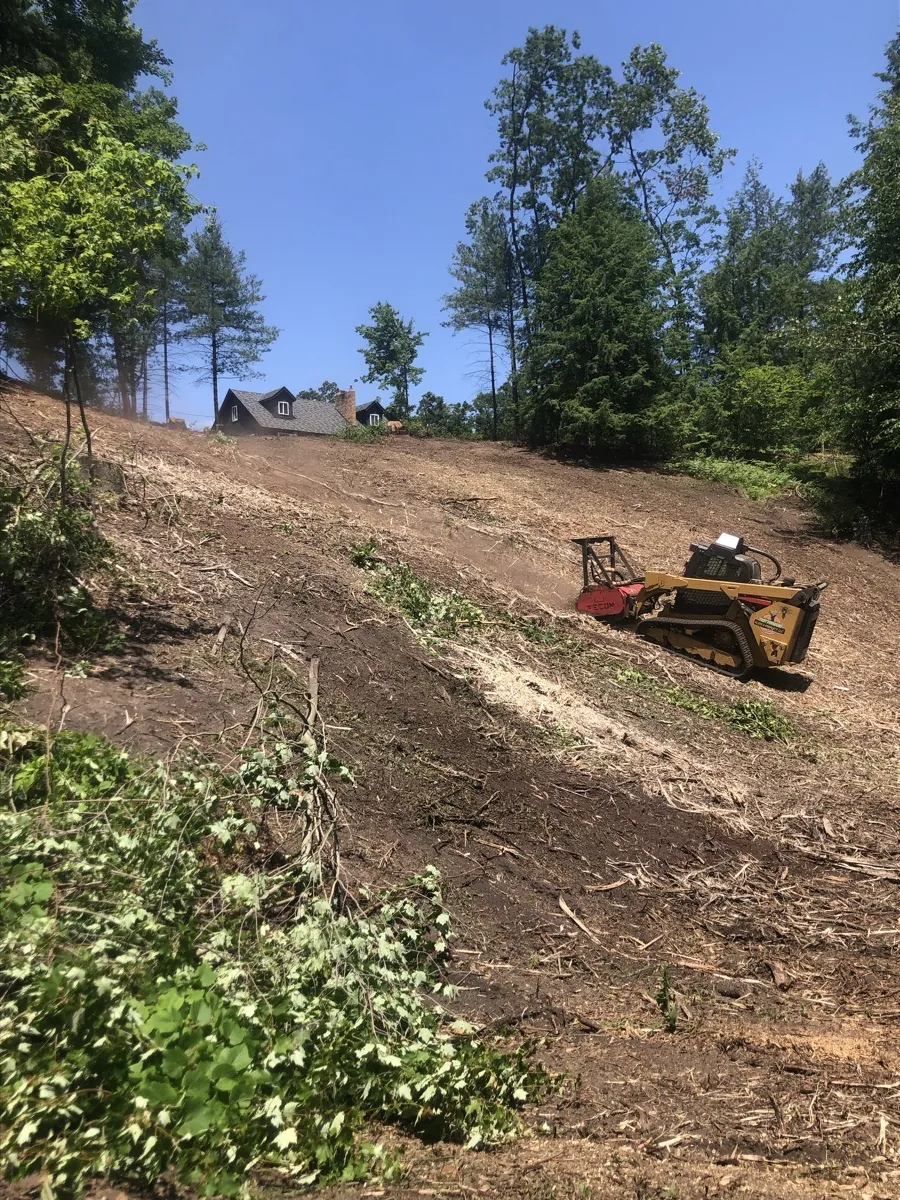
Steep Hillside Clearing in Michigan: How We Clear Slopes, Creek Banks, and Embankments With a Forestry Mulcher
How Gibson Environmental Services clears overgrown hillsides, creek banks, pond slopes, and embankments in Metro Detroit with a tracked...
Read the guide →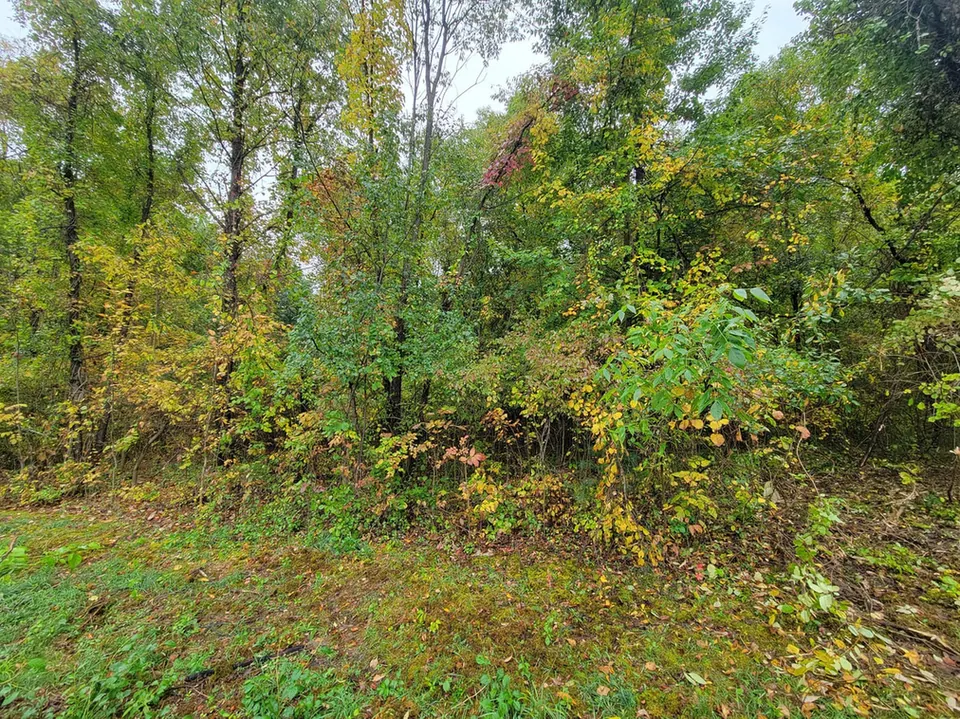
How Forestry Mulching Is Priced in Southeast Michigan: What Drives Your Quote (and Why There Is No Per-Acre Rate)
What drives a forestry mulching quote in Southeast Michigan: acreage, density, terrain, access and finish.
Read the guide →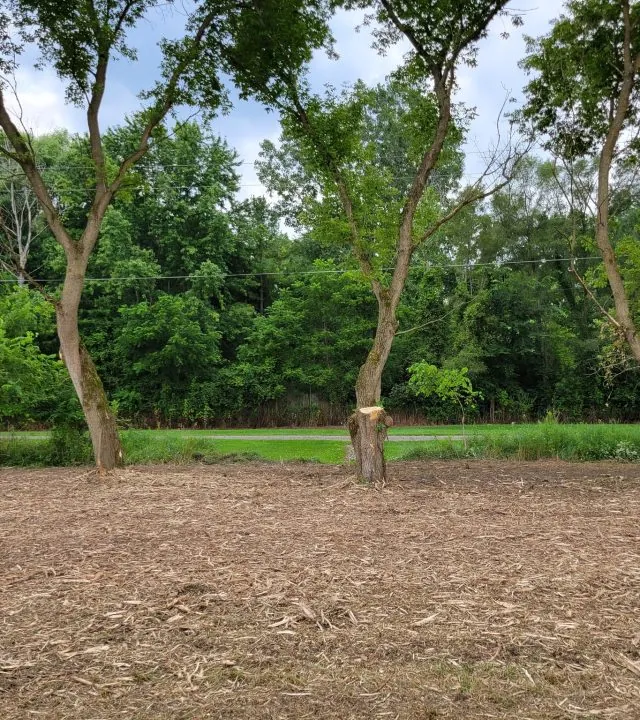
Which Trees Stay and Which Go: How We Read a Michigan Woodlot Before Mulching
How we tell keeper trees from growth that gets ground before mulching a Michigan woodlot, and what different properties typically want kept.
Read the guide →Ready to Get This Done?
Send the address and a few photos through the quote form, or call. You will get one project price for the whole job.